

Although all vitamins and minerals contribute to the proper functioning of the human body, some are essential for pregnant women: folic acid, iron, calcium, vitamin D, fibre, iodine and omega-3. They play a leading role in all stages of embryo and fetal growth. The best women’s multi vitamin should contain the micronutrients listed above.
Why take vitamin and mineral supplements?
Eating a healthy diet is paramount, as multivitamin is far from offering as many benefits as food.
Pregnant women should be given a daily prenatal vitamin and mineral supplement. Sometimes the diet does not provide enough of certain nutrients whose role is crucial during pregnancy. Multivitamin helps fill gaps that may occur during the 9 months of pregnancy.
Multivitamin should contain 0.4 mg to 1 mg of folic acid, as well as iron (16 mg to 20 mg). The quantities may vary, depending on your doctor’s recommendations.
The Society of Obstetricians and Gynecologists of Canada points out that a pregnant woman may need to take calcium, vitamin D or iron supplements, in addition to prenatal multivitamins, depending on her diet and health. Discuss this with your doctor, how the best women’s multi vitamin will work for you.
Folic acid (vitamin B9)
This vitamin is important, especially in early pregnancy. It is involved in the formation of the embryo’s spine and brain from the first days after conception.
It is better to take a multivitamin than isolated supplements of folic acid and iron, as it would be more effective in reducing the risk of having a low birth weight baby.
When the woman learns that she is pregnant, this crucial step has already passed. This is why doctors recommend that women who are planning a pregnancy take a multivitamin containing folic acid 2 to 3 months before conceiving. This also explains why it is even recommended that all women who can become pregnant without planning it (“by accident”) take a folic acid supplement from body by nature every day.
Iron
Iron is found in the red blood cells of the blood. In particular, it allows red blood cells to capture oxygen in the lungs and carry it throughout the body, and to the fetus through the placenta. Pregnant women need more iron because their blood volume is increasing. In addition, they must provide it to their future baby. The baby’s iron reserves at birth last no more than the first 6 months of life.
Adequate iron intake reduces the risk of preterm birth, low birth weight babies or early infant mortality.
Iron deficiency can cause anemia. It can cause fatigue and shortness of breath faster during exercise. The deficiency can be detected by a blood test. Vegetarian women and those with close or multiple pregnancies are more likely to run out of iron.
Other sources of iron
Some vegetables such as green vegetables (kale green cabbage, spinach, asparagus, snow peas, etc.), beetroot and potato with peel contain a little iron. However, iron in plant foods (vegetables, legumes, fortified breakfast cereals and nuts) and eggs is less well absorbed by the body than iron from meat and fish. This is why vegetarians need to consume twice as much iron to meet their needs.
Vitamin D
Vitamin D works in tandem with calcium. It can assimilate calcium and attach it to the bones. It also contributes to cell growth and the functioning of the immune system. Adequate levels of vitamin D during pregnancy provide lifelong benefits for pregnant women and their children.
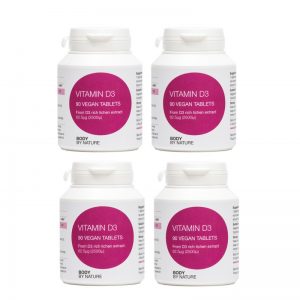
Although many foods contain or are fortified with them, the sun is the main source. As a result, people living in the Nordic countries, such as Canada, often have low levels of vitamin D from October to April. Therefore, even if you eat foods that contain vitamin D, you may be advised to take supplements like Vitamin D3 (4 Pack) – 250μg. Prenatal multivitamin usually contains vitamin D.
Vitamin C, other B vitamins, zinc, magnesium, etc. all contribute to the best women’s multi vitamin during pregnancy. It is less talked about because a varied diet easily meets the needs of these nutrients.