Electrolyte Supplements: Who Actually Needs Them and When

Do Vitamin Supplements Really Kill?

Electrolytes have become a hot topic in the world of health and fitness. From gym-goers and endurance athletes to people following low-carb diets, many are turning to electrolyte products to support hydration and performance. But are they necessary for everyone? The truth is that while electrolytes play an essential role in maintaining normal body function, not everyone needs to supplement them daily. Understanding who benefits most from electrolyte supplements UK products and when to use them can help you make informed decisions about your health and avoid unnecessary supplementation. In

How to Store Supplements Correctly (Most People Get This Wrong)

warehouse

Taking high-quality vitamins and dietary supplements is an important part of supporting your overall health and wellness. But did you know that how to store supplements can significantly impact their quality, potency, and shelf life? Even the best supplements can lose effectiveness if they’re exposed to heat, moisture, light, or improper storage conditions. Many people unknowingly make simple storage mistakes, such as keeping supplements in the bathroom or transferring them to decorative containers. These habits may shorten a product’s lifespan and reduce its nutritional value. In this guide, we’ll explain

Are Expired Supplements Safe? The Truth About Shelf Life and Potency

kid

If you’ve ever discovered an old bottle of vitamins or herbal supplements tucked away in your cabinet, you’ve probably asked yourself: Are expired supplements safe? It’s a common question, especially as many people prefer not to waste products they’ve already purchased. While an expiration date doesn’t necessarily mean a supplement becomes harmful overnight, it does raise important questions about safety, effectiveness, and quality. Understanding what expiration dates actually mean can help you make informed decisions about your health. In this guide, we’ll explore whether expired supplements safe is fact or

Can You Take Supplements While Intermittent Fasting? Here’s What You Need to Know

healthy guts

Intermittent fasting has become one of the most popular approaches to improving overall health, supporting weight management, and promoting metabolic wellness. By alternating between periods of eating and fasting, many people report increased energy, better focus, and improved eating habits. However, one question often comes up for beginners and experienced fasters alike: Can you take supplements while intermittent fasting? The short answer is yes—but it depends on the type of supplement you’re taking and your fasting goals. Understanding how supplements and intermittent fasting work together can help you maximise the

Supplements for IBS: What the Research Actually Shows Can Help

Suffering from constipation?

Irritable bowel syndrome affects around one in five people in the UK. It is one of the most commonly diagnosed gastrointestinal conditions. It is also one of the most poorly served — both by mainstream medicine, where treatment options remain limited, and by the supplement industry, where generic IBS products make broad claims that don’t reflect how differently the condition presents. That last point matters more than most supplement guides acknowledge. IBS is not one condition. It’s a cluster of functional gut disorders sharing a name. The bloating, cramping, and

Prebiotics vs Probiotics: What’s the Difference and Do You Need Both?

What are probiotics?

Most people who take a probiotic supplement believe it works by colonising the gut — introducing new beneficial bacteria that take up residence and rebuild the microbiome from scratch. That’s not what happens. Understanding what actually does happen changes how you think about both prebiotics and probiotics, why combining them makes biological sense, and why taking one without the other is a significant missed opportunity.

The Best Supplements for Female Hair Loss: What Actually Works

hair growth

Most women who notice hair thinning do one of two things. They search for the best supplement for hair loss and order something with biotin on the label. Or they visit a GP, get told everything looks normal, and leave no clearer on what to do. Neither approach gets to the root of the problem — literally. Female hair loss is not a single condition. It’s a symptom with multiple distinct causes. The supplements that work for iron-deficiency hair loss won’t help someone with androgenetic alopecia. The approach that addresses

The Best Supplements for Breastfeeding Mums: What Your Body Needs Post-Pregnancy

breastfeeding

A breastfeeding mother produces around 750ml of milk daily in the early weeks — rising to close to a litre at peak supply. Every millilitre of that milk contains nutrients drawn either from recent food intake or from the mother’s own body stores. When dietary intake falls short, the body prioritises the infant. The mother’s reserves deplete further. This is the central nutritional challenge of the postnatal period. The body has just completed nine months of sustained nutritional output. It is then asked to continue — immediately, and often for

Supplements for Menopause: A Natural Approach to Managing Symptoms

menopause

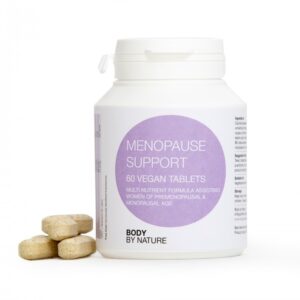
The menopause conversation in the UK has shifted dramatically. HRT has been rehabilitated — its safety profile reappraised, its benefits more openly discussed, its prescription rates rising after decades of unnecessary fear. For many women, HRT is the right choice and the evidence supports it. But not every woman wants it. Not every woman can take it. And for those looking at natural approaches, the supplement market is a confusing place — full of bold claims, varying quality, and little guidance on what the evidence actually shows. This is that

Inositol and PCOS: Can This Supplement Really Help Balance Your Hormones?

women

If you have PCOS, you’ve probably been told the same things. Lose weight. Exercise more. Take the pill. Maybe try metformin. What you probably haven’t been told about is inositol. That’s a significant omission. Because the evidence for inositol in PCOS management is not preliminary or speculative. It’s substantial, specific, and growing steadily — with multiple randomised controlled trials, meta-analyses, and clinical guidelines in Europe already incorporating it into recommended care. Women with PCOS deserve to know this option exists.