

The UK solved its iodine problem seventy years ago. Or so everyone assumed.
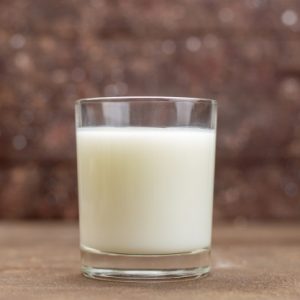
In the mid-twentieth century, iodine deficiency was recognised as a public health issue. The solution came not from policy but from farming practice — dairy cows were fed iodine-supplemented feed, and the resulting milk became the primary iodine source for the British population. Problem identified. Problem solved. Next issue.
Except it wasn’t solved. It was deferred.
Today, iodine deficiency UK is re-emerging as a genuine public health concern — quietly, without headlines, affecting millions of people who have never been told to think about it.
The Thyroid Cannot Function Without Iodine
Before the numbers, the biology. Because the stakes only make sense once you understand what iodine actually does.
The thyroid gland uses iodine as its primary raw material. It combines iodine with the amino acid tyrosine to produce its two hormones: T4 and T3. Every molecule of T4 contains four iodine atoms. Every molecule of T3 contains three.
Without iodine, hormone production stops. The thyroid enlarges in a futile attempt to capture more iodine from the bloodstream — producing the visible swelling at the neck called a goitre. In severe deficiency, this causes hypothyroidism: profound fatigue, weight gain, cognitive slowing, depression, and fertility problems.
In pregnancy, the consequences are graver still. Iodine is essential for foetal brain development. Severe deficiency during pregnancy remains the leading preventable cause of intellectual disability worldwide. Mild deficiency — the kind now common in the UK — impairs cognitive development in children without producing obvious symptoms at birth.
How Iodine Deficiency Crept Back
The UK has no iodisation policy for salt — unlike most of Europe, the United States, Australia, and over a hundred other countries, which mandate iodine addition to table salt as a public health measure.
Britain chose dairy instead. Fortified cattle feed passed iodine through milk, butter, and cheese into the food supply. It worked reasonably well — for as long as people kept drinking full-fat milk.
That’s where the modern problem begins.
Over the past two decades, dairy consumption has declined significantly across the UK. Low-fat dairy replaced full-fat. Plant-based milks replaced cow’s milk entirely for a growing proportion of the population. Vegan and dairy-free diets, once niche, are now mainstream.
Plant-based milk alternatives — oat, almond, soy, coconut — contain virtually no iodine unless specifically fortified. Most are not. Someone replacing two glasses of cow’s milk daily with oat milk loses the primary iodine source the entire dietary system was built around — and they almost certainly don’t know it.
A 2011 survey by the Iodine Global Network ranked the UK among the mildly iodine-deficient nations. A 2020 study from the University of Surrey found that vegans had the lowest urinary iodine levels of any dietary group studied — with 80% falling below the World Health Organisation’s sufficiency threshold.
Who Is Most at Risk
The groups facing greatest iodine deficiency UK risk break down clearly.
Vegans and dairy-avoiders — the most affected group. Removing dairy without replacing its iodine contribution creates a significant gap that plant foods cannot fill.
Pregnant and breastfeeding women — iodine requirements increase by approximately 50% during pregnancy to support foetal brain development. Many prenatal supplements in the UK do not contain iodine.
Teenage girls — studies repeatedly find low iodine status in this group, driven by low dairy consumption and restricted eating patterns.
People eating low seafood diets — oily fish and white fish are among the richest dietary iodine sources. People who eat little or no fish miss this contribution entirely.
What Adequate Iodine Actually Looks Like
The recommended daily intake for adults is 150mcg. Pregnant women need 200–250mcg. Breastfeeding women need 290mcg.
Dietary sources that reliably contribute:
- Cow’s milk — approximately 50–65mcg per 200ml glass
- White fish (cod, haddock) — 100–200mcg per 100g serving
- Seaweed — highly variable and often dangerously high. Kelp and kombu can contain thousands of micrograms per gram. Excess iodine impairs thyroid function as severely as deficiency. Seaweed is not a reliable supplementation strategy.
- Eggs — approximately 25mcg per egg
- Iodised salt — where used, though many UK households use non-iodised sea salt or Himalayan salt, which contains negligible iodine
People not eating dairy or fish daily face a genuine challenge reaching 150mcg consistently through food.
When Supplementation Makes Sense
For anyone in the at-risk groups above, a supplement containing 150mcg of iodine — in the form of potassium iodide or sodium iodide — fills the gap reliably and safely.
The dose matters. More is not better with iodine. Excess iodine triggers or worsens thyroid disorders in people with underlying thyroid conditions — including Hashimoto’s and Graves’ disease. The therapeutic window is narrower than most nutrients. Stick to doses at or near the recommended daily intake. Avoid high-dose iodine supplements unless prescribed by a doctor.
Pregnant women deserve particular attention here. Check whether your prenatal supplement contains iodine — and at what dose. Many UK prenatal formulations omit it entirely, despite clear guidance from NICE and the British Dietetic Association recommending iodine supplementation during pregnancy.
A Problem Most Doctors Aren’t Checking For
Iodine status rarely appears on standard blood panels. Doctors typically test TSH (thyroid stimulating hormone) as a proxy for thyroid function — but TSH can remain within normal range during mild iodine insufficiency, masking the problem until deficiency becomes more severe.
Urinary iodine concentration is the most accurate measure of iodine status. It’s available through private testing. If you fall into any of the at-risk groups and have never had your iodine levels assessed, it’s worth knowing where you stand.
Iodine deficiency is not a historical problem the UK resolved. For a significant and growing proportion of the population, it’s a present one.
Body by Nature Supplements provides iodine in a precisely dosed, safe formulation — designed for people wh