


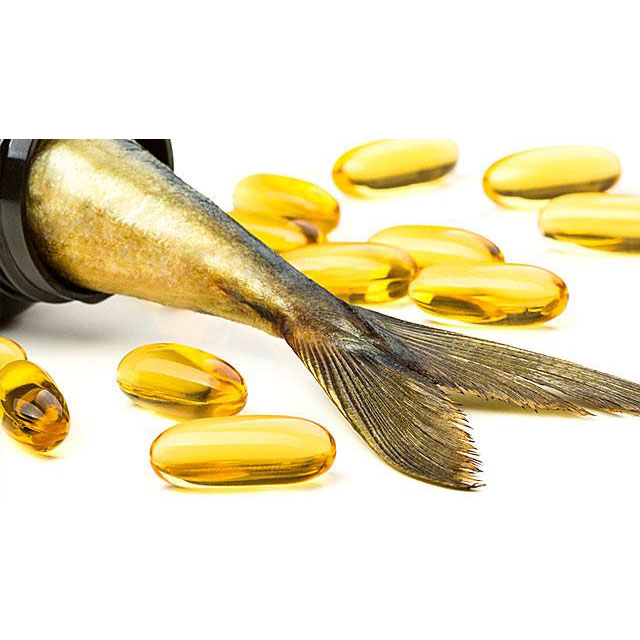
Fish oil is one of the most evidence-backed supplements available. The research behind its benefits for heart health, brain function, inflammation, mood, and joint pain is extensive and consistent.
Yet it remains one of the most frequently abandoned supplements. The reason isn’t the science. It’s the aftertaste.
Fishy burps, lingering aftertaste, and the vague smell that follows you through a morning meeting — these are real, common, and entirely solvable. Most people who give up on fish oil do so because nobody told them how to take it properly.
Here’s everything you need to know.
Why Fishy Burps Happen
Understanding the cause makes the solution obvious.
Fish oil capsules contain concentrated omega 3 fatty acids — EPA and DHA — extracted from oily fish. When a capsule reaches the stomach, stomach acid begins breaking it down. If the capsule breaks down too quickly, or if the oil sits in the stomach for a prolonged period without food to move it along, it oxidises and produces the compounds responsible for the fishy smell and taste.
Burping — or reflux of stomach contents — then carries those compounds back up the oesophagus. The result is the fishy repeat that most people find intolerable.
Oxidation is the key word here. Fresh, high-quality fish oil in a well-constructed capsule, taken under the right conditions, produces minimal odour. Cheap fish oil in a basic capsule, taken on an empty stomach, almost guarantees the problem.
The Quality Problem Most Brands Don’t Talk About
Not all fish oil is equal. This matters more for fishy burps than almost any other factor.
Fish oil oxidises. Exposure to heat, light, and air during manufacturing, storage, and transit degrades the oil and generates fishy-smelling compounds called aldehydes and other oxidation by-products. By the time some products reach the consumer, the oil is already partially oxidised — before you’ve taken a single capsule.
Oxidised fish oil smells rancid before you even swallow it. It also delivers reduced omega 3 benefit, since oxidation degrades the EPA and DHA content.
Signs of oxidised fish oil include a strong fishy smell when you open the bottle, a strong fishy odour when you bite into a capsule, and a taste that lingers unpleasantly long after swallowing.
High-quality fish oil should smell mild — faintly of the sea, not strongly of fish. Reputable manufacturers use nitrogen-flushed, airtight packaging, process the oil rapidly after catching, and test for oxidation markers (peroxide value, anisidine value, and TOTOX score) before releasing products.
If a brand doesn’t mention oxidation testing, ask why.
How to Take Fish Oil to Minimise Aftertaste
Quality addresses much of the problem at source. These practical steps eliminate most of what remains.
Take it with your largest meal. Food buffers the stomach acid environment and keeps gastric contents moving. Fish oil taken with a substantial meal — particularly one containing fat, which also improves absorption — spends far less time sitting in the stomach undigested.
Take it with fat. Fat-rich foods slow gastric emptying slightly, keeping the oil mixed with food rather than floating separately. This reduces oxidation exposure in the stomach and improves absorption simultaneously.
Freeze the capsules. This is the single most effective practical tip for fishy burps, and one of the least known. Freezing fish oil capsules slows their breakdown in the stomach significantly. The capsule passes further down the digestive tract before it dissolves, away from the stomach environment where reflux occurs. Frozen capsules are safe to swallow and equally effective — the omega 3 content survives freezing entirely intact.
Split the dose. If you take 2,000mg daily, try 1,000mg at lunch and 1,000mg at dinner rather than the full dose at once. Smaller amounts in a stomach with more food present produce significantly less reflux.
Avoid taking it before lying down. Horizontal positions make reflux more likely. If you take fish oil in the evening, take it with dinner rather than immediately before bed.
Enteric-Coated Capsules: Worth Considering
Enteric-coated fish oil capsules add a protective coating that resists stomach acid and delays dissolution until the capsule reaches the small intestine — where absorption of omega 3 occurs anyway.
This effectively bypasses the stomach environment entirely, eliminating fishy burps at their source. Enteric coating doesn’t affect the omega 3 content or its bioavailability. For anyone who has tried everything else and still experiences aftertaste, an enteric-coated product is a reliable solution.
When to Consider Algae Oil Instead
For people who find fish oil consistently unpleasant despite following all of the above — or who prefer a fully plant-based option — algae oil delivers identical EPA and DHA without fish-derived content.
Algae is the original source of omega 3 in the marine food chain. Fish accumulate it by eating algae. Algae oil supplements cut out the intermediary entirely, delivering the same bioactive fatty acids with a far milder flavour profile and no fishy aftertaste.
Algae oil typically costs more than fish oil. For people who have abandoned fish oil due to tolerability, the higher cost is a reasonable trade-off for a supplement they’ll actually take consistently.
The Bottom Line
Fishy burps are not an inevitable consequence of taking fish oil. They’re a consequence of poor quality oil, poor timing, and poor capsule technology — all of which are fixable.
Choose a high-quality, oxidation-tested product. Take it with food. Freeze the capsules if needed. Split the dose across meals. Consider enteric-coated capsules or algae oil if the problem persists.
The benefits of consistent omega 3 supplementation — for your heart, brain, joints, mood, and inflammation levels — are too significant to abandon over a solvable inconvenience.
Body by Nature Supplements’ fish oil uses high-quality, fresh-processed oil with low oxidation markers, so you get the full benefit without the experience that makes most people give up.