

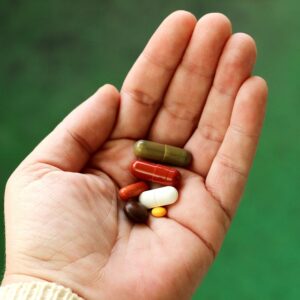
There’s a short list of supplements that hospital emergency departments stock as a matter of routine. NAC is on it.
Intravenous N-Acetyl Cysteine is the primary treatment for paracetamol overdose. It saves lives by rapidly restoring liver glutathione levels before toxic metabolites cause irreversible damage. That clinical application says something important: this is a compound with measurable, profound effects on human physiology — not a fringe wellness trend.
Yet outside of emergency medicine, NAC remains largely unknown to the general public. That gap is worth closing.
The Glutathione Connection
To understand NAC, you need to understand glutathione.
Glutathione is the body’s primary intracellular antioxidant. Every cell produces it. The liver depends on it for detoxification. The immune system requires it to function. The lungs use it to protect respiratory tissue. The brain needs it to manage neuroinflammation.
The problem: oral glutathione supplements don’t work well. The molecule breaks apart during digestion before it reaches the bloodstream. It’s a large, fragile compound that the gut handles poorly.
NAC solves this. It delivers cysteine — the rate-limiting precursor to glutathione synthesis — directly to cells. Once inside, cells convert it into glutathione on demand. NAC doesn’t try to replace glutathione from outside. It gives the body what it needs to produce its own.
This single mechanism explains most of NAC’s wide-ranging benefits across seemingly unrelated conditions.
Lung and Respiratory Health
NAC has a longer clinical track record in respiratory medicine than in almost any other application.
It acts as a mucolytic — it breaks down disulphide bonds in mucus, thinning it and making it easier to clear from the airways. This property has made it a standard treatment for chronic obstructive pulmonary disease (COPD), chronic bronchitis, and cystic fibrosis for decades.
Beyond mucus clearance, NAC reduces oxidative stress in airway tissue. Inflammation and oxidative damage sit at the core of most chronic lung conditions. By restoring glutathione levels in the lungs and directly scavenging reactive oxygen species, NAC reduces the inflammatory burden on respiratory tissue.
Multiple meta-analyses confirm that NAC supplementation significantly reduces the frequency of COPD exacerbations — the acute flare-ups that drive hospitalisation and disease progression. For anyone with a history of respiratory illness, recurrent bronchitis, or reduced lung function, the NAC supplement benefits in this area are among the most evidence-backed available.
Liver Protection and Detoxification
The liver contains the highest concentration of glutathione of any organ. This reflects how central glutathione is to the liver’s primary role — processing and neutralising toxic compounds from food, medication, alcohol, and environmental exposure.
When glutathione falls — due to alcohol consumption, medication load, poor diet, or illness — liver cells become vulnerable to oxidative damage. NAC restores this glutathione reserve directly and rapidly. Clinical trials show NAC supplementation reduces markers of liver inflammation and improves liver function in people with non-alcoholic fatty liver disease (NAFLD), alcoholic liver disease, and drug-induced liver injury.
For anyone regularly consuming alcohol, taking multiple medications, or living in a high-pollution environment, NAC provides direct and meaningful liver protection.
Mental Health: An Emerging and Compelling Area
This is where NAC research has accelerated most dramatically in recent years.
Oxidative stress and neuroinflammation — both addressed by NAC’s glutathione-raising activity — increasingly appear as significant contributors to depression, bipolar disorder, OCD, and addiction. NAC also modulates glutamate — a neurotransmitter whose dysregulation connects to compulsive behaviour, substance use, and certain psychiatric conditions.
A 2016 meta-analysis in the Journal of Clinical Psychiatry found NAC supplementation produced significant improvements in depression symptoms across multiple clinical trials. Separate research shows promising results in reducing cravings and compulsive behaviour in addiction recovery — with studies covering cocaine, cannabis, nicotine, and gambling disorder showing consistent benefit.
This is an evolving area. The results are not yet definitive enough to position NAC as a standalone mental health treatment. But for people looking to support their mental health through evidence-informed nutritional means, the emerging data places NAC firmly in the conversation.
Fertility Support
NAC’s antioxidant activity extends to reproductive health in ways that are increasingly recognised in fertility research.
In men, oxidative stress is one of the leading contributors to sperm DNA damage, reduced motility, and poor morphology. NAC directly reduces oxidative damage to sperm cells. Clinical trials show improvements in sperm quality markers following NAC supplementation in infertile men.
In women, NAC shows benefit in polycystic ovary syndrome (PCOS) — improving insulin sensitivity, reducing androgen levels, and supporting more regular ovulation. A 2015 meta-analysis in Gynecological Endocrinology concluded that NAC improved clinical and endocrine outcomes in women with PCOS comparably to metformin in several measures.
Dosing and Practicalities
Research uses doses ranging from 600mg to 1,800mg daily, typically divided across two or three doses. For general antioxidant support and liver protection, 600mg once or twice daily represents a sensible starting point.
Take NAC with food to reduce the mild nausea some people experience at higher doses. It has a sulphur-containing amino acid structure — some people notice a faint odour. This is entirely normal and not a sign of poor quality.
NAC is generally well tolerated across a broad population. Its long clinical history in hospital medicine gives it one of the strongest safety profiles of any nutritional supplement.
Why More People Should Know About This
NAC doesn’t fit neatly into a single health category. Lungs. Liver. Brain. Fertility. Antioxidant defence. Each application is supported by independent clinical evidence. Each traces back to the same foundational mechanism — restoring glutathione where the body needs it most.
Most supplements do one thing reasonably well. NAC does several things exceptionally well — and the science behind it is decades deep.
Body by Nature Supplements provides NAC in a clean, properly dosed formulation — for people who want the benefit of one of medicine’s most quietly powerful compounds.