
The Best Supplements for Breastfeeding Mums: What Your Body Needs Post-Pregnancy

A breastfeeding mother produces around 750ml of milk daily in the early weeks — rising to close to a litre at peak supply. Every millilitre of that milk contains nutrients drawn either from recent food intake or from the mother’s own body stores. When dietary intake falls short, the body prioritises the infant. The mother’s reserves deplete further.

This is the central nutritional challenge of the postnatal period. The body has just completed nine months of sustained nutritional output. It is then asked to continue — immediately, and often for months more. Supplements for breastfeeding UK mothers are not a wellness indulgence. They are an evidence-supported response to a genuinely demanding physiological process. Read more The Best Supplements for Breastfeeding Mums: What Your Body Needs Post-Pregnancy
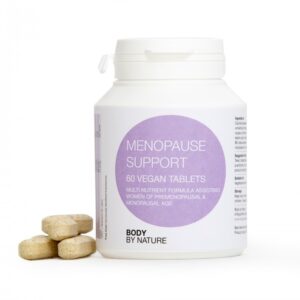

Supplements for Menopause: A Natural Approach to Managing Symptoms

The menopause conversation in the UK has shifted dramatically. HRT has been rehabilitated — its safety profile reappraised, its benefits more openly discussed, its prescription rates rising after decades of unnecessary fear. For many women, HRT is the right choice and the evidence supports it.

But not every woman wants it. Not every woman can take it. And for those looking at natural approaches, the supplement market is a confusing place — full of bold claims, varying quality, and little guidance on what the evidence actually shows.

This is that guidance. Practical, specific, and honest about what works and what doesn’t. Read more Supplements for Menopause: A Natural Approach to Managing Symptoms

Inositol and PCOS: Can This Supplement Really Help Balance Your Hormones?

If you have PCOS, you’ve probably been told the same things. Lose weight. Exercise more. Take the pill. Maybe try metformin.

What you probably haven’t been told about is inositol.

That’s a significant omission. Because the evidence for inositol in PCOS management is not preliminary or speculative. It’s substantial, specific, and growing steadily — with multiple randomised controlled trials, meta-analyses, and clinical guidelines in Europe already incorporating it into recommended care.

Women with PCOS deserve to know this option exists. Read more Inositol and PCOS: Can This Supplement Really Help Balance Your Hormones?

Iodine Deficiency in the UK: Why So Many People Are Low and What to Do About It

The UK solved its iodine problem seventy years ago. Or so everyone assumed.

In the mid-twentieth century, iodine deficiency was recognised as a public health issue. The solution came not from policy but from farming practice — dairy cows were fed iodine-supplemented feed, and the resulting milk became the primary iodine source for the British population. Problem identified. Problem solved. Next issue.

Except it wasn’t solved. It was deferred.

Today, iodine deficiency UK is re-emerging as a genuine public health concern — quietly, without headlines, affecting millions of people who have never been told to think about it. Read more Iodine Deficiency in the UK: Why So Many People Are Low and What to Do About It

N-Acetyl Cysteine (NAC): One of the Most Versatile Supplements You’re Not Taking

There’s a short list of supplements that hospital emergency departments stock as a matter of routine. NAC is on it.

Intravenous N-Acetyl Cysteine is the primary treatment for paracetamol overdose. It saves lives by rapidly restoring liver glutathione levels before toxic metabolites cause irreversible damage. That clinical application says something important: this is a compound with measurable, profound effects on human physiology — not a fringe wellness trend.

Yet outside of emergency medicine, NAC remains largely unknown to the general public. That gap is worth closing. Read more N-Acetyl Cysteine (NAC): One of the Most Versatile Supplements You’re Not Taking

Quercetin: The Plant Compound Changing How We Think About Immune Health

Quercetin isn’t a new discovery. It’s been present in human diets for as long as people have eaten plants. But it’s only in the last two decades that researchers have begun to understand just how broadly and powerfully this compound influences human health.

What they’ve found is impressive — and it goes well beyond the immune system alone. Read more Quercetin: The Plant Compound Changing How We Think About Immune Health

Alpha Lipoic Acid: The Powerful Antioxidant You’ve Probably Never Heard Of

Vitamin C gets the headlines. Vitamin E appears on every skincare label. Resveratrol enjoyed its moment in the spotlight.

Alpha lipoic acid quietly outperforms all of them — and most people have never encountered it.

This isn’t a new or exotic compound. Your body produces it naturally. Every cell uses it. It has decades of clinical research behind it across multiple health conditions. Yet it remains one of the most overlooked supplements in mainstream nutrition.

That’s worth correcting. Read more Alpha Lipoic Acid: The Powerful Antioxidant You’ve Probably Never Heard Of

Curcumin vs Turmeric Supplement: What’s the Difference and Which Should You Buy?

uur

Walk into any health food shop and you’ll find shelves lined with both turmeric supplements and curcumin supplements. They sit alongside each other, often at very different price points, with labels that don’t always make the distinction clear.

Many people assume they’re buying the same thing. They aren’t.

Understanding the difference between turmeric and curcumin — and what it means for the supplement you choose — directly determines whether you get any meaningful benefit from it at all. Read more Curcumin vs Turmeric Supplement: What’s the Difference and Which Should You Buy?

Krill Oil vs Fish Oil: Which Omega Source Is Actually Better for You?

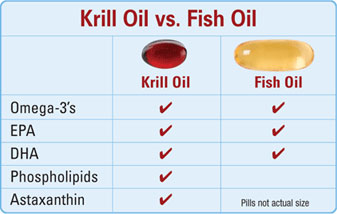
Both deliver omega 3. Come from the sea and both carry strong reputations in the supplement world.

But krill oil and fish oil are not interchangeable. They differ in how they deliver EPA and DHA to your cells, how well they absorb, how stable they are, and what other compounds they bring along. Understanding those differences helps you choose the option that suits your body, your goals, and your budget.

Here’s what the evidence actually says. Read more Krill Oil vs Fish Oil: Which Omega Source Is Actually Better for You?

Supplement Bioavailability Explained: Why What You Take Isn’t Always What You Absorb

You can swallow a supplement containing 500mg of a nutrient and absorb almost none of it. Or you can swallow 200mg of the same nutrient in a different form and absorb the majority.

Same label claim. Dramatically different outcomes.

This is bioavailability — the proportion of a nutrient that actually reaches your bloodstream and gets used by your cells. It’s one of the most important concepts in supplementation, and one of the least discussed. Understanding it transforms how you choose and take every supplement you buy. Read more Supplement Bioavailability Explained: Why What You Take Isn’t Always What You Absorb