

The first cases of a new corona virus in Wuhan City, China, were reported at the end of December 2019. Since then the dripping of new ones infected with the SARS-CoV-2 virus (initially called 2019nCoV), which causes COVID-19, has been continuous and their human-to-human transmission has been accelerated. Wuhan’s declared corona virus symptoms already far outweigh those of the SARS epidemic, but the mortality rate is lower.
Corona viruses are transmitted on a limited basis among humans, but the origin of these viruses is unknown to date. In any case, certain animals, such as bats, are known to act as reservoirs. Originally, the corona virus MERS-CoV is a zoonotic virus that is transmitted from animals to people. According to the analysis of several of their genomes, the virus is believed to have originated from bats and transmitted to camels at some point in the distant past.
Misconceptions of Corona virus
Can eating bat meat cause corona virus?
Just few weeks ago we saw some YouTube videos of people eating weird meals such as bat soup and live octopus. This gave rise to the belief that corona virus might have originated from this act. Even scientists are convinced since corona virus is zoonotic, i.e. it is transmitted from animals to humans and vice versa. Scientists are still finding the link between meat consumption and corona virus, but it’s strongly advised to avoid undercooked meat if possible.
Will Garlic help to fight against COVID-19?
Garlic is known to combat different infections. It helps fight against some corona virus symptoms which includes common cold. However there is no scientific proof that garlic is a vaccine for the COVID-19. Eating garlic as a remedy for this virus is like taking pain relief drugs for a terminal illness that needs special attention.
Is corona Virus spread from corona beer?
The rise of corona virus brought about the immediate fall in sales of the corona beer. This misconception was as a result that corona is a name for both the virus and the beer. I feel really bad for the producers because they’ve offered more than $15 million to have the name of the virus changed to something else, but to no avail. The bottom line is that “corona beer” has no link with the “corona virus” in terms of the origin of the deadly COVID-19.
Will wearing nose mask help prevent corona virus?
People who should wear nose masks are the carriers of the virus and health workers who work in immigration offices and hospitals. It is advised that you do not wear nose masks if you are not experiencing corona virus symptoms. Wearing nose masks will only cause moisture and sweat to gather around your nostrils, which will give room for airborne infections.
Symptoms and prevention of corona virus
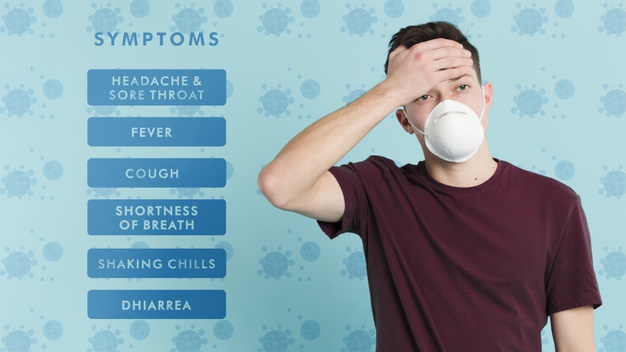
In general, the main corona virus symptoms are usually:
- Dry nasal drip.
- Cough.
- Fatique.
- Sore throat and headache.
- Fever.
- Chills and general discomfort.
- Difficulty in breathing (dyspnoea)
On a clinical spectrum of this type of infections varies from the absence of symptoms to mild or acute respiratory symptoms. This typology usually takes with cough, fever and breathing difficulties. Pneumonia is common and, in the case of MERS, gastrointestinal symptoms, especially diarrhea, may also be reported.
As with the flu virus, the most severe symptoms (and higher mortality) occur in both older people and individuals with immunosuppression or chronic diseases such as diabetes, some cancers or lung disease. In extreme cases it can cause respiratory failure.
Prevention
To date, no vaccine or specific treatment is available to fight corona virus infection.
Maintaining basic hygiene is the most effective way to avoid contracting this virus in places where there is an increased risk of transmission, mainly the areas of the planet where cases have been reported. Those who may be in contact with potential affected persons are advised to wear masks and use handkerchiefs to cover their nose and mouth when coughing or sneezing
When MERS-Cov emerged it was reported that products of animal origin properly processed by cooking or pasteurization do not pose any risk of infection, but should be handled with care to prevent contamination by contact with raw products. Camel meat and milk may continue to be consumed after pasteurization, cooking or other heat treatments; however, its raw consumption must be discarded.
If you must take strict precautions by avoid consumption of meat and switching to vegan diet then you must note the 7 nutrients that cannot be gotten from plants. Make sure you fill up for those nutrients by taking dietary supplements made by body by nature supplements. They are the safest supplement producing company at the moment.