


Inflammation gets a bad reputation. But your body needs it. Acute inflammation is how you heal a cut, fight an infection, and recover from exercise. It switches on when needed and switches off when the threat passes.
Chronic inflammation is different. It doesn’t switch off. It simmers quietly in the background for months or years, causing damage to tissues, blood vessels, and organs. Researchers now link it directly to heart disease, type 2 diabetes, arthritis, depression, cognitive decline, and certain cancers.
The question isn’t whether inflammation matters. It’s what you can actually do about it.
What Drives Chronic Inflammation?
Several factors fuel chronic inflammation. Poor diet — particularly one high in refined sugar, seed oils, and ultra-processed foods — is a primary driver. So are chronic stress, poor sleep, sedentary behaviour, excess body fat, and environmental toxins.
Diet and supplementation won’t fix everything. But they directly influence the body’s inflammatory pathways. Certain nutrients and plant compounds intervene in those pathways at a biochemical level, measurably reducing the markers of systemic inflammation.
These are the ones with the strongest evidence behind them.
Omega 3 Fatty Acids: The Most Well-Evidenced Anti-Inflammatory Nutrient
If you take only one supplement for inflammation, make it omega 3.
EPA and DHA — the active omega 3 fatty acids found in fish oil — directly compete with omega 6 fatty acids for the same metabolic enzymes. Omega 6, when it dominates, drives the production of pro-inflammatory compounds called eicosanoids. Omega 3 shifts the balance toward anti-inflammatory compounds instead.
The clinical evidence is extensive. Studies consistently show omega 3 reduces levels of CRP (C-reactive protein) and IL-6 — two of the key blood markers used to measure systemic inflammation. Research also shows meaningful reductions in joint pain and stiffness in people with rheumatoid arthritis, often comparable to the effects of anti-inflammatory drugs, but without the side effects.
Aim for at least 1,000mg of combined EPA and DHA daily from a high-quality, purified source.
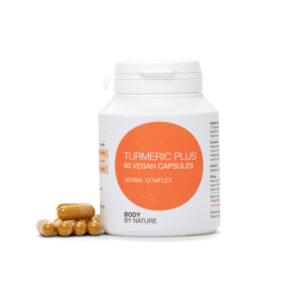
Turmeric and Curcumin: Ancient Spice, Modern Evidence
Turmeric has appeared in traditional medicine for thousands of years. The compound responsible for its anti-inflammatory effects is curcumin — and the science behind it is substantial.
Curcumin inhibits NF-kB, a key molecular switch that activates genes involved in inflammatory responses. It also reduces levels of inflammatory cytokines directly. Multiple human trials confirm that curcumin supplementation lowers CRP, reduces joint pain in osteoarthritis patients, and improves inflammatory markers in people with metabolic syndrome.
There is one important caveat. The body absorbs curcumin poorly on its own. Combining it with piperine — a compound from black pepper — increases absorption by up to 2,000%. Always choose a supplement that pairs curcumin with piperine or uses a bioavailability-enhanced formula. Without it, most of the curcumin passes through the digestive system unused.
Magnesium: Inflammation’s Overlooked Antagonist
Most people think of magnesium in terms of sleep and muscle function. Few know it also plays a significant role in regulating inflammation.
Low magnesium levels directly correlate with elevated CRP and other inflammatory markers. A large epidemiological study published in the Archives of Internal Medicine found that people with the lowest magnesium intake had the highest levels of systemic inflammation. Correcting a magnesium deficiency — which affects a large proportion of UK adults — reduces those markers consistently.
Magnesium also regulates cortisol. Since chronic stress drives inflammatory signalling, the indirect pathway matters too. Getting magnesium right addresses inflammation through multiple routes simultaneously.
Vitamin D: The Immune Regulator
Vitamin D deficiency doesn’t just affect bone health. It actively promotes inflammation.
Vitamin D receptors sit on immune cells throughout the body. When Vitamin D levels fall below optimal, those immune cells produce more pro-inflammatory cytokines and fewer anti-inflammatory ones. The immune system loses its ability to self-regulate. Low Vitamin D is independently associated with higher levels of systemic inflammation in study after study.
Correcting deficiency — which is widespread in the UK, particularly through the autumn and winter months — measurably reduces inflammatory markers. The optimal blood level for immune and anti-inflammatory benefit sits between 50 and 80 nmol/L, well above what most people achieve through diet and sunlight alone.
Vitamin C: Antioxidant Protection Against Inflammatory Damage
Free radicals trigger and amplify the inflammatory process. Vitamin C neutralises free radicals directly, reducing the oxidative stress that both causes and perpetuates chronic inflammation.
High-dose Vitamin C supplementation consistently reduces CRP in clinical trials. It also regenerates other antioxidants — including Vitamin E — extending their protective effects across tissues. For a water-soluble nutrient with an excellent safety profile, the anti-inflammatory return on Vitamin C is genuinely impressive.
Building an Anti-Inflammatory Stack
These nutrients work best together, not in isolation. Omega 3 addresses the root pathway. Curcumin intervenes at a molecular signalling level. Magnesium and Vitamin D regulate immune function and cortisol. Vitamin C mops up the oxidative damage that inflammation leaves behind.
No supplement replaces a good diet, consistent sleep, or regular movement. But a targeted anti-inflammatory stack gives your body the biochemical tools it needs to keep chronic inflammation in check — backed by real science, not marketing claims.
Body by Nature Supplements carries each of these nutrients individually and in combination — so you can build a routine grounded in evidence.