

Depression affects one in six people in the UK at some point in their lives. It’s one of the most common — and most misunderstood — health conditions in the world.
Conventional treatment options include therapy, medication, and lifestyle changes. These work. For many people, they’re essential. But a growing body of research suggests that nutritional status plays a significant, often overlooked role in both the onset and recovery of depression — and that targeted supplementation can make a meaningful difference.
This isn’t about replacing treatment. It’s about understanding the full picture.
The Nutrition-Mood Connection
Your brain is a metabolically demanding organ. It runs on nutrients. It builds neurotransmitters — serotonin, dopamine, norepinephrine — from amino acids, vitamins, and minerals. When those raw materials run short, the system underperforms.
Research increasingly supports the idea that nutritional deficiencies don’t just accompany depression — they can actively drive it. A landmark 2017 study in the British Journal of Psychiatry found that poor diet quality significantly predicted the onset of depression. Improving dietary quality produced measurable improvements in depressive symptoms.
The supplements below address specific nutritional gaps that clinical evidence links to low mood and depression.
Omega 3 Fatty Acids: The Most Evidence-Backed Option
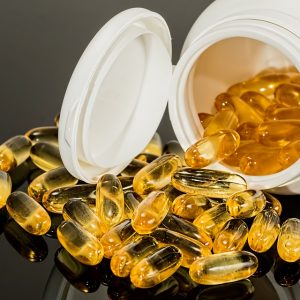
Omega 3 fatty acids — particularly EPA — represent the most studied and most consistently supported nutritional intervention for depression.
EPA reduces neuroinflammation. Neuroinflammation — inflammation within the brain — increasingly appears as a key driver of depressive illness, particularly in people who don’t respond well to antidepressants. EPA also influences serotonin and dopamine signalling directly.
A 2019 meta-analysis in Translational Psychiatry analysed data from 26 clinical trials. It found that omega 3 supplementation produced a significant reduction in depressive symptoms — with the strongest effects from supplements containing higher ratios of EPA to DHA.
The therapeutic dose in most effective trials sits between 1,000mg and 2,000mg of EPA per day. Standard fish oil capsules often fall well below this. Check the EPA content specifically — not just the total fish oil dose — before choosing a supplement.
Vitamin D: The Deficiency Nobody Talks About
Low Vitamin D levels and depression show a consistent, well-documented association. But the relationship goes beyond correlation.
Vitamin D receptors sit throughout the brain, including in areas that regulate mood, motivation, and emotional processing. Vitamin D directly influences the synthesis of serotonin — your brain’s primary mood-stabilising neurotransmitter. When Vitamin D falls below optimal levels, serotonin production drops.
A 2020 meta-analysis in Critical Reviews in Food Science and Nutrition analysed 61 studies and concluded that Vitamin D supplementation produced significant improvements in depressive symptoms. The effect was strongest in people who started with a confirmed deficiency.
Given that Vitamin D deficiency affects an estimated 1 in 5 adults in the UK, this is one of the most impactful and widely applicable interventions available.
Magnesium: The Stress-Depression Link
Chronic stress depletes magnesium. Magnesium deficiency then amplifies the stress response — creating a feedback loop that drives both anxiety and depression.
Magnesium regulates the HPA axis, the body’s central stress response system. It also influences NMDA receptors in the brain, the same receptors targeted by some of the newest fast-acting antidepressant drugs. A 2017 randomised controlled trial published in PLOS ONE found that daily magnesium supplementation produced significant improvements in depression and anxiety symptoms within just six weeks, performing comparably to antidepressant treatment in the study group.
For people experiencing stress-related or anxiety-driven low mood, magnesium deserves serious consideration.
B Vitamins: Building the Biochemistry of Mood
B vitamins — particularly folate (B9), B12, and B6 — sit at the heart of a biochemical process called methylation. Methylation governs the production and breakdown of neurotransmitters including serotonin, dopamine, and norepinephrine.
When methylation falters — due to B vitamin deficiency, genetic variants like MTHFR, or high stress — neurotransmitter production drops and mood suffers. Studies consistently link low folate and low B12 levels with higher rates of depression and poorer response to antidepressant medication.
A B-Complex supplement covering the full family of B vitamins supports methylation, neurotransmitter production, and energy metabolism simultaneously. For people with the MTHFR variant, choosing a supplement with active methylfolate rather than standard folic acid improves the benefit further.
Saffron: The Emerging Contender
Saffron extract might surprise you. But the evidence behind it is genuinely strong.
Multiple randomised controlled trials show that saffron supplementation at 30mg per day produces antidepressant effects comparable to low-dose SSRIs — with a significantly better side effect profile. Saffron appears to work by inhibiting serotonin reuptake and reducing neuroinflammation.
It’s not yet a mainstream recommendation, but for mild to moderate depression and low mood, the research places it firmly in contention.
An Important Caveat
Supplements support the brain’s biochemistry. They don’t replace professional mental health care.
If you experience persistent low mood, loss of interest, or symptoms of depression, speak to your GP. Use nutritional support as part of a broader approach — not instead of one.
That said, the evidence for targeted supplementation in mood support is strong, growing, and far too often overlooked. Giving your brain the nutrients it needs to function at its best is never a small thing.
Body by Nature Supplements carries each of the nutrients discussed here in high-quality, properly dosed formulations — so your brain gets consistent, reliable support every day.