


Joint pain changes how you live. It limits how far you walk, how well you sleep, and how freely you move through the activities you enjoy. For millions of people in the UK, it’s a daily reality — not a distant concern.
The pharmaceutical options are well known. Anti-inflammatory drugs reduce pain but carry long-term risks, particularly for the gut, kidneys, and cardiovascular system. Many people want an alternative. Something that supports joint health from the inside, without the side effects.
That’s where nutritional supplementation comes in. And the evidence for several key nutrients is stronger than most people realise.
Understanding What Happens to Joints Over Time
Joints rely on cartilage — the firm, flexible tissue that cushions bones where they meet. Healthy cartilage absorbs impact, enables smooth movement, and protects the underlying bone.
Cartilage has a poor blood supply. It repairs slowly. As we age, use accumulates, cartilage thins, and the joint space narrows. Inflammation follows. The result is the stiffness and pain most people associate with osteoarthritis — the most common form of joint disease in the UK.
Supplementation doesn’t reverse cartilage damage already done. But the right nutrients can slow the breakdown, reduce inflammation, support repair processes, and meaningfully reduce pain.
Glucosamine: The Most Studied Joint Supplement
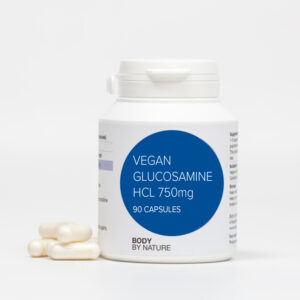
Glucosamine tops the list for good reason. It is one of the most researched joint health supplements in the world.
Glucosamine is a naturally occurring compound your body uses to build and maintain cartilage. Levels decline with age, contributing to cartilage thinning and joint deterioration. Supplementing aims to restore that supply.
The clinical evidence is substantial. A landmark multi-centre trial — the GAIT study — found that glucosamine sulphate provided statistically significant pain relief in patients with moderate to severe knee osteoarthritis. A long-term European trial found that three years of glucosamine sulphate supplementation slowed the radiographic narrowing of the knee joint space, suggesting it does more than manage symptoms — it may actually slow structural progression.
Not every trial shows the same result. Outcomes vary based on severity of joint damage, dose, and whether the sulphate or hydrochloride form is used. Glucosamine sulphate consistently outperforms glucosamine hydrochloride in clinical trials, so form matters when choosing a supplement.
Results take time. Most studies showing meaningful benefit run for at least 12 weeks. Glucosamine rewards patience and consistency.
Chondroitin: Glucosamine’s Natural Partner
Chondroitin sulphate occurs naturally alongside glucosamine in cartilage. It attracts water into the cartilage matrix, giving it elasticity and resistance to compression. It also inhibits enzymes that break down cartilage.
Multiple trials show that chondroitin reduces pain and improves function in osteoarthritis patients. The GAIT study found the combination of glucosamine and chondroitin delivered greater benefit than either nutrient alone — particularly for moderate to severe pain.
Many high-quality joint supplements pair them together for this reason. If you supplement with glucosamine, adding chondroitin amplifies the effect.
Omega 3: Addressing the Inflammation Driving the Pain
Joint pain in osteoarthritis and rheumatoid arthritis involves significant inflammatory activity. Glucosamine and chondroitin support cartilage structure. Omega 3 fatty acids target the inflammation.
EPA and DHA — the active components of fish oil — directly reduce the production of inflammatory compounds inside joints. Clinical trials in rheumatoid arthritis consistently show that omega 3 supplementation reduces morning stiffness, decreases swollen joint counts, and lowers the need for anti-inflammatory medication.
For anyone dealing with joint pain driven by inflammation — particularly in the hands, wrists, and smaller joints — omega 3 is a critical addition to any joint health protocol.
Turmeric and Curcumin: Targeted Inflammation Relief
Curcumin, the active compound in turmeric, inhibits the same inflammatory pathways that drive cartilage degradation and joint pain. Several head-to-head trials have compared curcumin with ibuprofen for knee osteoarthritis pain. Curcumin matched ibuprofen’s effectiveness on pain scores — with significantly fewer gastrointestinal side effects.
Again, bioavailability matters. Standard curcumin absorbs poorly. Choose a supplement that combines curcumin with piperine, or uses a liposomal or phytosome delivery system, to ensure you actually benefit from what you take.
Collagen: Supporting the Cartilage Matrix
Collagen makes up a significant portion of cartilage, tendons, and ligaments. Hydrolysed collagen — broken down into smaller peptides — absorbs efficiently and delivers amino acids directly to joint tissue.
Studies show that hydrolysed collagen supplementation reduces joint pain in athletes and people with osteoarthritis, and may support cartilage regeneration over time. It works particularly well alongside Vitamin C, which the body requires to synthesise collagen in the first place.
Building a Joint Health Protocol
No single supplement does everything. The strongest approach combines:
- Glucosamine sulphate — structural cartilage support
- Chondroitin — cartilage hydration and enzyme inhibition
- Omega 3 — inflammatory pathway regulation
- Curcumin with piperine — targeted pain and inflammation relief
- Hydrolysed collagen with Vitamin C — matrix repair support
Give any protocol at least 12 weeks before evaluating results. Joint tissue repairs slowly. Consistency is what drives outcomes.
Body by Nature Supplements carries each of these nutrients in high-quality, properly dosed formulations — so your joints get the support they actually need.