


Healthy eating is important through all age groups of life. It involves giving your body the right nutrients as well as maintaining a healthy weight hence, helping you stay active and independent even as you age. If you stick to the right diet and weight, you would end up spending less time at the doctors during your youthful and old age life.
But the definition of healthy eating mildly changes as you continue to age. For instance, as you age your metabolism becomes slower due to the less secretion of hydrochloric acid required for digestion. It translates into an intake of fewer calories. More importantly, you are to choose foods that would give you the best nutritional value at old age.
The policy of a Healthy Plate
Many of you may be accustomed to the food pyramid that gives you the building blocks of what a healthy plate looks like. A new unveiling by the United States Department of Agriculture (USDA) shows a simpler manner to help people see what they should eat on a daily basis. Known as my plate, it gives simple graphic imagery of how the five food groups should be stacked on your plate.
Here are important nutrients seniors should consider having in their diet:
Omega-3 and Calcium
The Omega 3 fatty acids help with reduction of inflammation which normally causes arthritis, cancer, and heart diseases. The nutrient is found in flaxseeds, canola oil, walnuts and different kinds of fish as well as vegan supplements. Seniors are required to have meals with the nutrient at least twice a weak.
Seniors can also have the option of getting omega 3 supplements from their doctors. Calcium is used for preservation of bone health in old age people. It also helps in lowering blood pressure especially for seniors with hypertension.
Vitamin B12
As you get older, your ability to absorb vitamin B12 tends to decrease as your stomach develops problems with the production of acids and enzymes needed to process vitamin B12. Therefore, people with ages 50 and above do not get enough vitamin B12. Supplements become the best way to consume the vitamin.
Vitamin supplements are normally made in a manner that they are easily absorbed by the body to play their function. Vitamin B12 is vital in seniors for the proper function of red blood cells.
Potassium
Increasing potassium intake will lower the risk of hypertension in seniors. This goes hand in hand with reduction in salt intake. High sodium intake is not good for seniors with hypertension. Seniors are advised to stay away from frozen, restaurant and processed foods because they have high levels of sodium. Some of the foods that are low in sodium include fresh and frozen vegetables and fruits, unsalted nuts and grains like brown rice and oats. Therefore, make sure to incorporate them into a senior’s diet.
Fruits and vegetables are a good source of potassium however sometimes you could consider using vegan supplements.
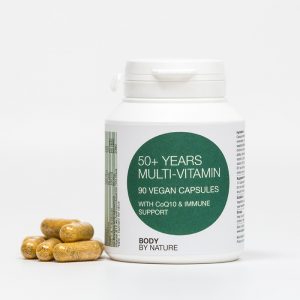
The best kind of supplements are multivitamins found in the best multivitamin shops around you. Rather than buy separate packs of vitamins, purchase the combined one. Also, check with your doctor if you should begin using supplements.