


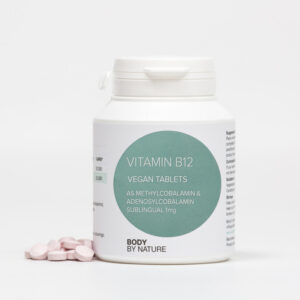
Vitamin B12 is one of those nutrients you don’t think about—until you do. It plays a key role in energy metabolism, red blood cell formation, and nervous system function. And because it’s found mostly in animal-based foods, it’s also one of the most common nutrients people accidentally miss.
If you’ve been feeling “not quite yourself” and you’re wondering whether B12 could be part of the picture, this guide will walk you through common signs, who’s most at risk of low intake, and how to choose the right type of vitamin B12 supplement.
What is vitamin B12 and what does it do?
B12 (also called cobalamin) supports several essential processes in the body, including:
- Normal energy-yielding metabolism
- Normal psychological function
- Normal functioning of the nervous system
- Normal formation of red blood cells
- Normal immune system function
Because B12 is involved in multiple systems, low intake can show up in a range of ways—and it can be easy to miss early on.
Signs you might need vitamin B12
Important note: these signs can have many causes. If symptoms are persistent, speak with a healthcare professional and consider testing.
Here are common signs that may be associated with low vitamin B12 status:
1) Ongoing tiredness or low energy
Feeling drained despite sleeping “enough” is one of the most common reasons people look into vitamin B12.
2) Brain fog or trouble concentrating
Some people describe it as feeling mentally slower, less sharp, or more forgetful than usual.
3) Tingling or numbness
Pins and needles in hands or feet can be linked to nerve function. If you experience this, don’t ignore it—get medical advice.
4) Low mood or irritability
Because B12 supports normal psychological function, low intake can sometimes overlap with mood changes.
5) Pale skin or feeling unusually weak
B12 supports normal red blood cell formation, so low status can sometimes be associated with feeling weak or looking paler.
6) Sore tongue or mouth discomfort
Some people notice tongue sensitivity or mouth ulcers alongside other symptoms.
Again: these are not “B12-only” symptoms. The value here is recognising patterns and knowing when it’s worth checking.
Who is most likely to benefit from vitamin B12 support?
You may want to pay closer attention to vitamin B12 if you’re in one of these groups:
Vegetarians and vegans
B12 is naturally found mainly in animal foods (meat, fish, eggs, dairy). Plant-based diets often require fortified foods or supplementation.
Adults over 50
B12 absorption can become less efficient with age, especially if stomach acid is lower.
People with digestive issues
B12 absorption is a multi-step process. If digestion isn’t functioning optimally, B12 status can be affected.
People taking certain medications
Some medications can impact B12 absorption over time. If you’re on long-term medication, ask your pharmacist or GP whether B12 monitoring is appropriate.
Vitamin B12 testing: should you check first?
If you suspect low vitamin B12, testing can be helpful—especially if symptoms are significant or you’re in a higher-risk group.
A healthcare professional can advise on:
- Which tests are appropriate
- What “low” looks like in your context
- Whether you need a higher-dose supplement short term
For many people, a sensible daily B12 supplement is a low-effort way to support intake, but testing is the best route if symptoms are concerning.
How to choose the right type of vitamin B12
There are several forms of vitamin B12 used in supplements. The “best” one depends on your preferences, tolerance, and what you’re trying to achieve.
Cyanocobalamin
- A common, stable form of vitamin B12
- Often used in multivitamins
- Typically cost-effective
Methylcobalamin
- A widely used form of B12
- Popular for people who prefer “methylated” forms
Adenosylcobalamin
- Another form of vitamin B12 found in the body
- Sometimes paired with methylcobalamin
Hydroxocobalamin
- Often used in clinical settings
- Sometimes chosen for longer-lasting support
You don’t necessarily need the “most complex” option. The best vitamin B12 is the one you’ll take consistently and that suits your body.
What about dosage?
Dosage needs vary based on diet, age, and baseline status.
A practical approach:
- If you eat little or no animal foods, consistent B12 intake matters most.
- If you’re correcting a deficiency, follow medical guidance.
Because B12 is water-soluble, it’s generally well tolerated, but it’s still smart to choose a dose that matches your needs rather than guessing high.
Best ways to take vitamin B12
Vitamin B12 supplements come in different formats:
- Tablets/capsules
- Sublingual (dissolves under the tongue)
- Sprays
- Gummies
If you’re sensitive to gummies (sugar) or want clearer dosing, capsules/tablets are often the simplest choice.
Timing tips:
- Many people take B12 in the morning or lunchtime
- If B12 feels energising for you, avoid taking it right before bed
Where Body by Nature Supplements fits in
When choosing vitamin B12, look for clear labelling, a form that suits your preferences, and a quality-first brand you trust.
Body by Nature Supplements focuses on practical, transparent supplementation that supports real routines—so you can choose vitamin B12 with confidence.
Explore the range here: https://www.bodybynaturesupplements.com
Final thoughts
Vitamin B12 supports energy metabolism, red blood cells, and nervous system function—so it makes sense to pay attention if you’re tired, foggy, plant-based, over 50, or dealing with absorption challenges.
If symptoms are persistent, testing and professional guidance are the smartest next step. And if you’re simply looking to support intake, choose a vitamin B12 type and format you’ll take consistently.