


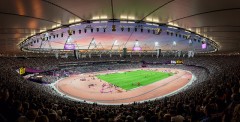
As mentioned in our recent post on the Popularity In Paralympics, the support has been amazing since the 2012 Olympic games. Many times, however, the hype dies down before the next big event and in this case that would be the 2016 Paralympic games.
Why Continue The Support For The Paralympics?
We want to make sure this support does not fade until the build up to Rio 2016. This is because the athletes are role models for people with disabilities. Some people can relate to some of these elites who came from the same background and experienced the same hardships.
The public support has demonstrated social acceptance more so than ever before and gives those who aspire to do whatever they want, an opportunity to do so. This leads to raising a positive awareness among big corporations, big businesses and government authorities.
The Public’s View On The Paralympics
The publics view on disabled athletes is overwhelmingly positive.
- More than 80 per cent of the public surveyed believed that disabled athletes are as talented as able-bodied
- Nearly 65 per cent said the Paralympic Games is as good as the Olympics – this figure rose to 79 per cent among those who watched the Paralympics
- Channel 4 saw the biggest audience in more than 10 years as 11 million people tuned in to watch the opening ceremony
- BDRC Continental and YouGov polls showed 80 per cent of people enjoyed having disabled reporters present the Games
Boosting Sports Participation Among The Disabled
Since the public reception has been generally positive, the need to get disabled people participating in sporting activity has also increased.
After the games 2012, 18 per cent of Britain’s disabled adults took part in some form of physical exercise for 30 minutes. Campaigners warned that changes needed to be made to increase those numbers.
70 per cent of the 1,000 disabled adults said they would like to partake in more sport or exercise and almost half have been inspired by the Paralympics. However, poor accessibility and expense of joining a gym was a concern.
Of the 300 private and public gyms surveyed:
- Nearly a third had no automatic door
- 1 in 5 gyms’ lifts were not working
- 1 in 4 swimming pools did not have a hoist to support disabled people into the water
- 31% of gyms had no suitable equipment for disabled people