



Did you know that there are links between an imbalance in your gut bacteria and constipation? Bacteria in your gut play an important role in defending your body from sickness and maintaining your overall health.
Probiotics can help you to maintain the health of your gut microbiome, which is a great way to prevent constipation and other bowel conditions. Laxatives can also play a role in the relief of constipation and IBS-related constipation, but they do come with side effects as do probiotics.
If you’re suffering from the symptoms of constipation, use this article to inform you about the benefits of using probiotics vs laxatives and their effects on constipation.
What are probiotics?
If you have an interest in supplements and nutrition, you may have heard of probiotics. They are a living health food product and can come in the form of bacteria, yeast or both. Many people take them in the form of pill supplements but probiotics can also be an added ingredient in many products marketed as health foods, such as yoghurt-based products and various health drinks.

The definition of a probiotic is:
- A microbe that is distinct from the human body
- A microbe that can remain living after passing through the stomach
- A microbe that has evidence to support a positive effect on the human body
- A microbe that can be consumed without harm to the individual
So what are probiotics meant to do?
Well, they are widely believed to aid the restoration of the bacteria in your stomach and intestines. People might usually take probiotics after being unwell or having a course of antibiotics, to introduce more healthy bacteria into their system.
The healthy bacteria in the gut aid the function of the digestive system and without the bacteria, some unpleasant symptoms can occur. Things like:
- Diarrhoea
- Irritable bowel syndrome (IBS)
- Functional constipation
Good bacteria in your gut support your body through:
- Digestion (providing your body with the nutrients it needs)
- Fighting against the overgrowth of bad bacteria
- Metabolic function
The use of probiotics as a supplement is supported by various pieces of evidence, which will be discussed later in the article. However, this evidence suggests that probiotics have been shown to reduce the effects of irritable bowel syndrome as well as counter diarrhoea as a symptom of antibiotic use.
Furthermore, evidence suggests that an imbalance in the gut microbiome can cause constipation as a symptom of irritable bowel syndrome (IBS).
Generally, for the majority of individuals, probiotics can be a safe choice for consumption. Be aware that while some probiotics may help a bowel problem you’re having, they may not be effective at relieving other symptoms, they sometimes can even have side effects.
If you’re thinking about supplementing your nutrition with probiotics, make sure you consider all the facts, as well as medical advice.
Probiotic supplements
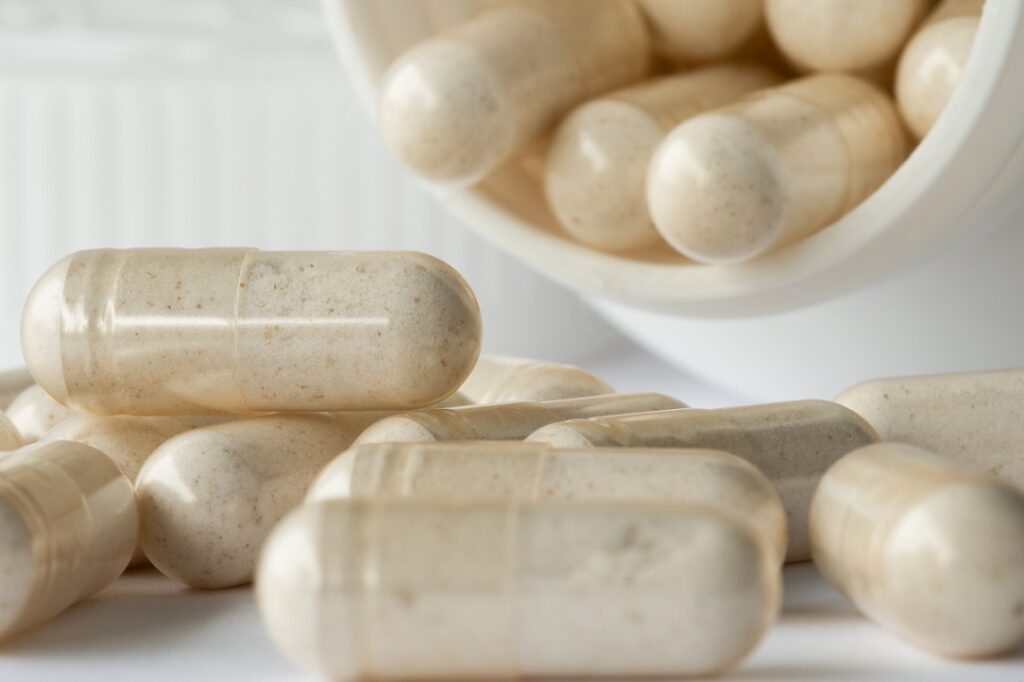
As you have understood the definition of a probiotic, there are probably quite a number of microbes that come under that definition. However, when it comes to probiotic supplements and the probiotics found in health foods, there are a few commonplace bacteria.
It is also important to note that not all strains of probiotics will be effective against constipation. So make sure to be fully informed about what probiotic you intend to take.
Lactobacillus:
These bacteria are found in the small intestine and the mouth. One of the main functions that these bacteria perform in the human body is producing lactase. Lactase is an enzyme which helps your body digest lactose which is a type of sugar found in milk products.
Equally, Lactobacillus can make lactic acid as a by-product of sugar fermentation in the body. This lactic acid helps to curb the spread of harmful bacteria in your digestive system. Furthermore, lactic acid can also help decrease the time between stools, helping prevent constipation.
Bifidobacterium:
These bacteria are located in your intestines, and they help your body digest insoluble fibre and other difficult-to-digest substances. In addition to this:
- Bifidobacterium can metabolise lactose, making beneficial nutrients available to the body
- Bifidobacterium can inhibit poisonous bacteria entering your bloodstream
A study found that in children, Bifidobacterium was able to improve the frequency of stools as well as consistency. This means that Bifidobacterium can help to reduce the symptoms of constipation.

Probiotic Foods:
Some foods can contain probiotics as well. Consuming both probiotic foods and supplements can be a great way to strengthen your gut microbiome. Here’s a list of some probiotic foods:
- Kefir
- A 2017 study showed that a daily intake of kefir helped to reduce symptoms of constipation and increase the frequency of stools
- Yoghurt
- Fermented vegetable products (Sauerkraut, kimchi)
Probiotics can be an effective method of dealing with the symptoms of constipation.
Scroll down to find out about what probiotics are effective for treating constipation.
What are laxatives?
Many people around the globe have probably experienced constipation at some point or another. Constipation is a condition in which an individual’s normal stool frequency is lessened considerably and they find it difficult to pass a stool. Commonly, the treatment used for constipation is an oral medicine called laxatives.
Laxatives help loosen your bowels so that when you’re finding it difficult to pass a stool, you are able to with the help of laxatives. In addition to using laxatives, constipation can also be helped by:
- Increasing dietary fibre
- Drinking fluid
- Exercise
It’s particularly important to get a good fluid intake if you’re using laxatives as they can draw water from the rest of your body into your intestine to help your bowels move. As a result, you could suffer from dehydration if you do not have a proper intake of fluid.
What types of laxatives are there?
There are a number of different types of laxatives that you may find helpful if you’re affected by constipation. They all work in different ways, so make sure to get medical advice from a GP or pharmacist when thinking about using laxatives.
- Osmotic Laxatives: These laxatives draw more fluid to your bowels, which makes your stools soften so they’re easier to release. Examples:
- Polyethylene glycol
- Lactulose
- Magnesium citrate
- Bulk-forming Laxatives:Similar to increasing your intake of dietary fibre, these laxatives work by increasing the bulk of your stools allowing higher water retention. This helps your bowels to move the stools more easily. Examples:
- Psyllium husk (Ispaghula husk)
- Sterculia
- Methylcellulose
- Stool Softening Laxatives:The method in which these laxatives work is by allowing more fluid into the stool. Meaning you can pass a stool easier. Examples:
- Docusate Sodium
- Arachis oil (enema)
- Stimulant Laxatives:These sorts of laxatives stimulate your intestinal muscles which are responsible for moving faeces through your bowels. Examples:
- Bisacodyl
- Sodium picosulfate
Laxative foods that can help relieve constipation:
If you find yourself wanting to try relieving constipation with things you might already have at home, there are certain foods available that have a mild laxative effect.
- Caffeine (coffee, tea, drinks etc.)
- High-fibre foods (dried fruit, legumes etc.)
Making healthy changes to your diet can help prevent you from getting constipation and other bowel conditions. However, sometimes constipation and IBS are not necessarily caused by a poor diet.
Whilst a DIY approach can sometimes be helpful if you’re experiencing prolonged constipation, it is best to get medical advice and treatment if necessary.
What laxatives to use?
Most laxatives will generally bring about the same effect, which is relieving the symptoms of constipation, though they work differently. When it is not obvious that you should use a particular laxative (medical advice), you can use bulk-forming laxatives.
Bulk-forming laxatives will add to your dietary fibre and hopefully ease symptoms. However, if you find that after 3 days or longer, you’re not seeing results you could try something else.
An osmotic laxative will improve the amount of fluid in your stool and can be used in addition to a bulk-forming laxative. This two-pronged approach may be helpful if you’ve not had success with just one type of laxative.
If you’re finding it difficult to actually pass a stool while on the toilet, you may benefit from using a stimulant laxative. This is because the stimulant laxative will encourage your bowels, intestinal nerves and muscles to start a movement.
Here is an informative table that briefly compares the types of laxatives.
| Bulk-forming Laxative | Osmotic Laxative | Stimulant Laxative | Stool softener Laxative | |
| Time to work | 2-3 days | 2-3 days | 6-12 hours | 1-2 days |
| Reason for use | Constipation | Constipation | Constipation (Difficulty in passing a stool) | Constipation (Hard stool) |
It is important that if you’re unsure about what laxative to use, make sure to consult a pharmacist or GP before choosing a course of action.
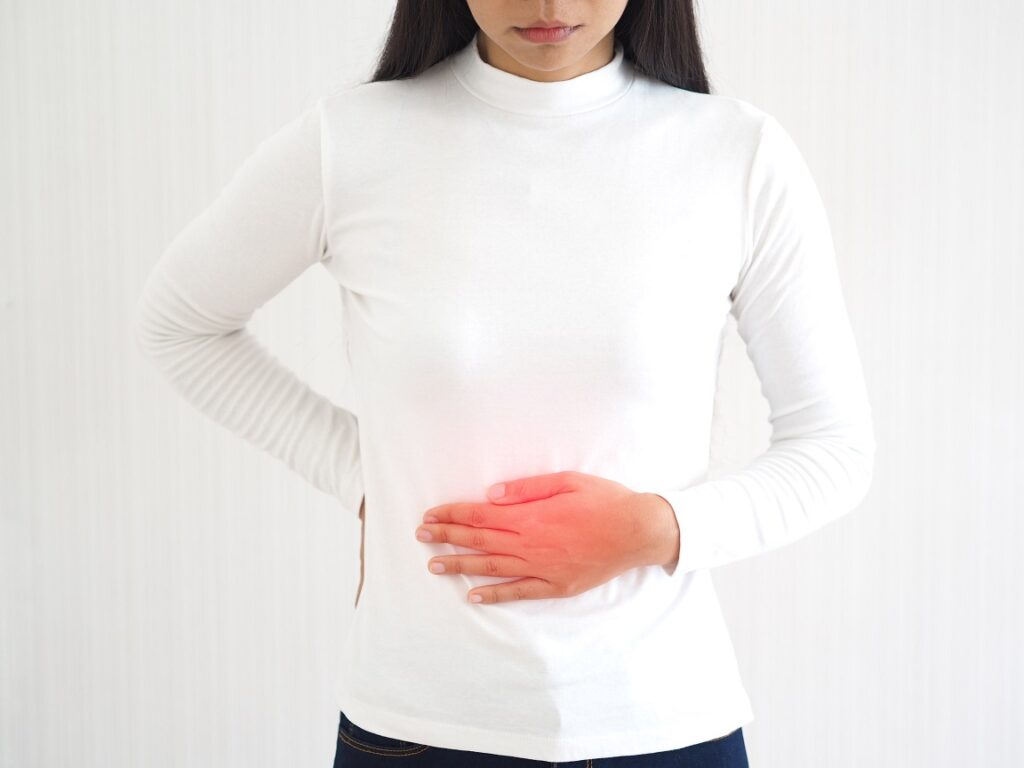
Do probiotics work for constipation?
Where laxatives address the symptoms of constipation, probiotics deal with the possible cause of constipation which is an imbalance in the microbiome. The microbiome is an umbrella term for all the bacteria that live inside your gut.
Without a healthy microbiome, the daily function of your intestine and digestive system would suffer (including passing stools). This is where probiotics can become part of the treatment for constipation. Restoring your microbiome through the ingestion of probiotics will, in turn, restore function to your digestive system.
There is research showing that probiotics can be effective in treating certain causes of constipation in the bowels. Be aware that not all probiotics may work for you, and that the treatment of constipation may require a holistic approach.
Conditions that cause constipation that can be treated through the usage of probiotics:
- Irritable bowel syndrome (IBS)
- Constipation in children
- Constipation due to pregnancy
- Constipation due to drug usage (Chemotherapy and iron supplements)

Clinical trials of probiotics for constipation
Now you’ve read about the conditions that probiotics can help relieve, let’s put some evidence to these claims.
Lactic acid bacteria (LAB) supplementation for constipation:
- A 2008 study conducted on nursing home residents set out to find if LAB could be beneficial in managing constipation in elderly residents.
- Sufferers of chronic constipation were given two doses of LAB a day (breakfast and dinner)
- The study found that there was an “increased defecation habit”, and therefore success in terms of using LAB as a treatment for constipation.
Bifidobacterium breve in the treatment of childhood constipation:
- A study published in 2011 was conducted on children from the age of 3-16 years. These children were suffering from functional constipation
- Children were given a sachet dose of Bifidobacterium breve once daily.
- The outcome of the study showed that Bifidobacterium breve increased the “stool frequency” as well as “stool consistency”. Furthermore, the abdominal pain experienced was somewhat relieved as well.
Systematic reviews
Some systematic reviews have also been conducted regarding the effectiveness of probiotics in treating constipation and bowel conditions.
Effectiveness and safety of using probiotics to treat Irritable Bowel Syndrome:
- Published in 2020, a systematic review was conducted to find out whether probiotics were beneficial in relieving symptoms of IBS.
- With 59 studies reviewed, and a total of 6,761 patients involved.
- The systematic review found that “probiotics are effective and safe for IBS patients.” Additionally, it is advised that a shorter course of doses with high strength is more beneficial.
Gut Microbiome and Chronic Constipation:
- A review published in 2019 set out to consolidate evidence to see if an imbalance in the microbiome was causal in constipation and IBS.
- The findings were not particularly strong. However, there is an indication that a “dysbiosis of gut microbiota may contribute to functional constipation and constipation-type irritable bowel syndrome”.
There seem to be strong links that probiotics are definitely beneficial in relieving various bowel conditions including constipation and IBS.
However, if you’re unsure of whether to take probiotics, get medical advice. In most cases, probiotics are safe for those who are in good general health.
Gut microbiome and our health
Each and every one of us has a unique microbiome in our gut. This microbiome is beneficial to the body and consists of many bacteria, fungi and other microorganisms.
One factor in how your microbiome looks is the type of diet you eat. A sugary diet can dramatically change what your microbiome is made up of, leading to an overgrowth in less beneficial microbes.
Furthermore, a “dysbiosis” or imbalance in the intestinal microbiome could contribute to disease. A 2009 study showed “associations between intestinal dysbiosis and chronic low-grade inflammation”. So there is some truth in there is a link between a healthy microbiome and your overall health.
Immune system
Your body’s immune system is constantly fighting off invaders to protect you from getting unwell. There are many parts to the functioning of your immune system including:
- Enzymes in the mouth and airways
- Mucus in the lungs
- Stomach acid
- Bacteria on our skin
Yet perhaps the biggest defender of your body is the intestines according to InformedHealth.org. Not only does the bowel wall house the majority of the body’s antibody cells, but it contains the microbiome. Specifically, the microbiome can suppress the growth of harmful microorganisms, which can contribute to your bowel health and the prevention of bowel conditions.
Probiotics for gut health
The microbiome and gut flora are beneficial to the overall health of the body, and there is evidence to suggest that certain probiotics can relieve various bowel conditions. So let’s take an in-depth look at the bowel conditions that probiotics can help.
Probiotics for irritable bowel syndrome
Irritable bowel syndrome is a long-term bowel condition that can be chronic. Irritable bowel syndrome can be characterised by certain symptoms.
Irritable bowel syndrome symptoms:
- Abdominal pain
- Abdominal cramps
- Bloated abdomen
- Diarrhoea
- Constipation
It is generally difficult to pinpoint the causes of IBS in individuals, however, it is clear that the overall gut function is being hindered.
Though there is research to suggest that dysbiosis or imbalance of the gut microbiome could cause what we call IBS. So, the introduction of supplementary probiotics in your diet could be a way to relieve your symptoms.
Probiotics for IBS:
- Bifidobacterium: a strain called ‘Bifidobacterium bifidum MIMBb75’ is backed by evidence showing that the symptoms of IBS such as bloating, diarrhoea and abdominal cramping can be relieved by using it.
- Lactobacillus: there is evidence to suggest that ‘Lactobacillus acidophilus NCFM’ can reduce abdominal cramping.
If you’re experiencing long-term symptoms of Irritable bowel syndrome, it’s best to seek medical advice from your GP or doctor so as to get the correct diagnosis and treatment.
Probiotics for constipation
While constipation can be one of the symptoms of Irritable bowel syndrome, individuals can also experience this bowel condition on its own.
The definition of constipation is that the individual may experience a lessened frequency of bowel movements (less than three a week).
Constipation symptoms:
- Reduced stool frequency (less than three per week)
- Change in consistency of stool (hard or pellety)
- Difficulty in going to the toilet
- Feeling as if you can’t empty your bowels fully
There is research showing that imbalances in your microbiome may contribute to constipation and the constipation symptoms of IBS. Additionally, bringing balance back to your gut flora and microbiome could help with constipation.
Probiotics for constipation:
- Bifidobacterium lactis: Evidence suggests that this strain can help the frequency of defecation
- Lactobacillus plantarum: Research shows that this strain can improve the consistency of stools, as well as the bowel retaining the benefits after the probiotic usage ended
- Streptococcus thermophilus: Improvement of stool consistency in the study
Make sure to get medical advice from a GP or doctor if you are worried about any constipation symptoms you have.
It is also advisable to decrease your dosage if you experience adverse side effects. While probiotics are not necessarily harmful, there isn’t much conclusive research on effective dosages, so follow product instructions when taking probiotics.
Side effects of laxatives vs probiotics
Both laxatives and probiotics can be used to help relieve the symptoms of constipation. Where laxatives can immediately treat the symptoms you may experience, probiotics can deal with the imbalance of the microbiome and there are links between constipation, IBS and a microbiome imbalance.
But not all medicines and treatments are created equal, and there are downsides and side effects to using these sorts of treatments for bowel conditions. So let’s take a look at them.
Laxatives
When used with caution, laxatives can be an effective treatment for constipation. However, they can cause side effects, though these side effects should dissipate once you stop using them.
Laxative usage side effects:
- Nausea
- Abdominal cramping
- Bloating
- Dehydration as well as headaches and darkened urine
It is best not to use laxatives too frequently or over long periods of time as you could get other side effects such as:
- Diarrhoea
- Intestinal blockage
- Electrolyte imbalance
If you have any problems with taking laxatives or they’re not helping, make sure to get medical advice from your GP or doctor.
Probiotics
Probiotics have been shown to relieve the symptoms of constipation, but there are also side effects that can present themselves when they’re used as a treatment.
Usually, these side effects will subside once your body has gotten used to regular doses.
Probiotics usage side effects:
- Problems with digestion
- Bloating
- Gas
- Diarrhoea
- Abdominal cramping
- Infection risk in immunocompromised individuals
If you’re taking probiotics and are experiencing side effects that will not go away, it may be best to stop taking them or get medical advice.
Summary
It’s clear that there are both benefits and downsides to treating constipation with both laxatives and probiotics. Though usually, the effects on constipation are beneficial and the side effects do not last.
Laxatives are good at treating the symptoms of constipation such as infrequency in bowel movements and hard stools. So they’re a method of dealing with the effects of constipation rapidly.
However, probiotics can provide both fast relief to constipation and a response to the deeper issues of microbiome imbalance. For effective usage of probiotics, you should use probiotics that are shown to target specific symptoms, such as constipation. As not all probiotics will work against every symptom that you may experience.
If you are suffering from the effects of constipation or IBS-related constipation, there are ways in which you can effectively treat your symptoms. It may even be beneficial to follow a holistic approach, implementing changes to your diet and lifestyle. You may also benefit from using treatments such as laxatives and probiotics in combination, if necessary.
Make sure that you receive medical advice if you are worried about any symptoms or effects of constipation that you may be experiencing. Furthermore, it is important to get medical advice if you’re considering using probiotics or laxatives for the first time. When taking these products, ensure that you follow all product instructions.