
Children’s Immune System: The Supplements Parents Should Know About

Every parent knows the feeling. One child brings a cold home from school. Within days, the whole household is down. It happens repeatedly through autumn and winter, and it’s exhausting.

A child’s immune system is not a smaller version of an adult’s. It’s still developing. It encounters pathogens it has never seen before and builds its defences from scratch. That process takes years — and it depends heavily on consistent nutritional support to work properly.

Most parents focus on what their children eat. Fewer think about what children’s diets typically lack. The gap between the two is where immunity suffers most. Read more Children’s Immune System: The Supplements Parents Should Know About


Supplements for Teenagers: What Young Bodies Actually Need (and What to Skip)

The supplement market targets teenagers more aggressively than ever. Energy drinks, fat burners, pre-workouts, protein powders — they’re marketed through the same influencers teenagers follow, wrapped in branding that makes them look essential.

Most of them aren’t. Some are actively harmful for young bodies still in development.

But dismissing supplements altogether misses a different problem. Teenage years are one of the most nutritionally demanding periods of life. Growth, hormonal development, bone mineralisation, brain maturation — all of these require specific nutrients in quantities that diet alone often fails to deliver.

The question isn’t whether teenagers need nutritional support. It’s which supplements genuinely help, and which ones to avoid entirely. Read more Supplements for Teenagers: What Young Bodies Actually Need (and What to Skip)

The Best Supplements for Post-Workout Recovery: Speed Up Muscle Repair Naturally

Training breaks your body down. Recovery builds it back up stronger. Most people focus heavily on the workout itself — the sets, the reps, the intensity. They give far less attention to what happens in the hours and days afterwards.

That’s a mistake. The quality of your recovery determines how much of your training effort actually translates into results. Get recovery right, and your muscles repair faster, your strength improves more quickly, and your risk of injury drops significantly.

The right nutritional support makes a measurable difference to every one of these outcomes. Read more The Best Supplements for Post-Workout Recovery: Speed Up Muscle Repair Naturally

Supplements for Seasonal Affective Disorder (SAD): Can They Help in Winter?

The clocks go back. The days shorten. The light disappears. And for millions of people across the UK, so does their mood.

Seasonal affective disorder is a form of depression with a clear seasonal pattern. It typically arrives in autumn, intensifies through winter, and lifts as spring returns. Symptoms go beyond feeling a bit low. They include persistent low mood, fatigue, difficulty concentrating, increased appetite — particularly for carbohydrates — social withdrawal, and disrupted sleep.

The NHS estimates that around 3% of the UK population experiences SAD severely enough to significantly impair daily life. A further 20% experience a milder form, sometimes called the “winter blues.” That’s millions of people who struggle every winter, often without knowing why — or what they can do about it.

Supplements won’t replace light therapy, talking therapy, or medication in severe cases. But the right nutritional support can meaningfully reduce symptoms and support the brain pathways that seasonal change disrupts. Read more Supplements for Seasonal Affective Disorder (SAD): Can They Help in Winter?

The Best Natural Supplements for Focus, Concentration, and Mental Clarity

Most people reach for another coffee. It works for an hour, then the crash arrives and concentration falls apart again.

There’s a better approach. Several nutrients and natural compounds directly support the brain’s ability to focus, process information, and sustain mental clarity throughout the day — without the spike and slump of stimulants. The evidence behind them is solid, and the difference they make is tangible.

Here’s what the research actually supports. Read more The Best Natural Supplements for Focus, Concentration, and Mental Clarity

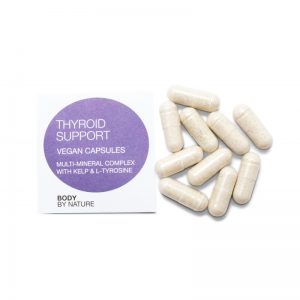
Supplements for Thyroid Health: Which Nutrients Matter Most

Your thyroid is small. It sits at the base of your neck, roughly the size of a butterfly. But its influence over your body is enormous.

The thyroid produces hormones that regulate metabolism, body temperature, heart rate, energy levels, mood, and brain function. When it underperforms — a condition called hypothyroidism — almost every system in the body slows down. When it over-performs, everything accelerates out of control.

Thyroid dysfunction affects an estimated 1 in 20 people in the UK, with women far more commonly affected than men. Many more live with suboptimal thyroid function that never reaches a clinical diagnosis but quietly drains their energy, mood, and metabolic health every day.

Nutrition plays a direct role in thyroid function. Several specific nutrients are essential for producing, converting, and activating thyroid hormones. Deficiency in any one of them can impair the entire system. Read more Supplements for Thyroid Health: Which Nutrients Matter Most

Can Supplements Help With Low Mood and Depression? The Science Explained

Depression affects one in six people in the UK at some point in their lives. It’s one of the most common — and most misunderstood — health conditions in the world.

Conventional treatment options include therapy, medication, and lifestyle changes. These work. For many people, they’re essential. But a growing body of research suggests that nutritional status plays a significant, often overlooked role in both the onset and recovery of depression — and that targeted supplementation can make a meaningful difference.

This isn’t about replacing treatment. It’s about understanding the full picture. Read more Can Supplements Help With Low Mood and Depression? The Science Explained

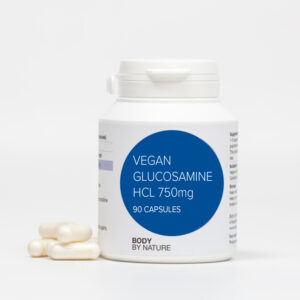
Supplements for Joint Pain and Flexibility: The Evidence Behind Glucosamine and More

Joint pain changes how you live. It limits how far you walk, how well you sleep, and how freely you move through the activities you enjoy. For millions of people in the UK, it’s a daily reality — not a distant concern.

The pharmaceutical options are well known. Anti-inflammatory drugs reduce pain but carry long-term risks, particularly for the gut, kidneys, and cardiovascular system. Many people want an alternative. Something that supports joint health from the inside, without the side effects.

That’s where nutritional supplementation comes in. And the evidence for several key nutrients is stronger than most people realise. Read more Supplements for Joint Pain and Flexibility: The Evidence Behind Glucosamine and More

The Best Anti-Inflammatory Supplements Backed by Science

Inflammation gets a bad reputation. But your body needs it. Acute inflammation is how you heal a cut, fight an infection, and recover from exercise. It switches on when needed and switches off when the threat passes.

Chronic inflammation is different. It doesn’t switch off. It simmers quietly in the background for months or years, causing damage to tissues, blood vessels, and organs. Researchers now link it directly to heart disease, type 2 diabetes, arthritis, depression, cognitive decline, and certain cancers.

The question isn’t whether inflammation matters. It’s what you can actually do about it. Read more The Best Anti-Inflammatory Supplements Backed by Science

Omega 3 and Heart Health: What the Research Says

Heart disease remains the leading cause of death in the UK. Yet one of the most studied, most accessible nutritional tools for protecting your heart sits on the shelf in most health food shops.

Omega 3 fatty acids have decades of clinical research behind them. The evidence is not perfect — no nutritional science is. But the overall picture is compelling. If you care about your cardiovascular health, omega 3 deserves serious attention. Read more Omega 3 and Heart Health: What the Research Says