


Measuring insulin and sugar levels after eating confirms this impact with higher carbohydrate meals consistently producing higher peaks in glucose and then insulin response – usually followed by a sharp fall with a hypoglycemic response. Hence the common experience of sudden hunger around 10:30 to 11:00 am having eaten a cereal based breakfast first thing.
Many studies have demonstrated that low carbohydrate diets have better outcomes in comparison to low fat diets, consistently reducing glucose levels more, reducing insulin levels by up to 50% more and creating greater weight loss, in particular fat loss.
The other advantage of low carbohydrate diets is that they are less likely to make you feel hungry and therefore compliance is easier – hunger as we all know is the fatal breaker of the firmest resolutions! This is why I myself, eat a good protein diet each and every morning without fail.
Defining a Low Carbohydrate Diet
There are scenarios where trying to achieve a very low carbohydrate intake and primarily metabolising fat and ketones is very important – for example some forms of epilepsy, some cases of dementia and also in cancer treatment. There is compelling evidence that it is a healthy diet for many people BUT you do not necessarily need to go to this length to see beneficial impacts from lowering carbohydrate.
Our current carbohydrate intake, which is pushing up to around 65% of energy intake is so high compared to our ancestral diet that even reducing to the level of around 45%, that was the approximate intake four decades ago, is likely to be of some benefit. It is in the last 40 years that we have seen the exponential rise in diabetes and obesity. Simple steps to achieving Low Carbohydrate Intake –
- Cut down the ‘white stuff’ not lines of coke, but sugar. Starchy carbohydrates are just concentrated sugar so minimise bread, pasta and rice. New potatoes and oats are okay in moderation.
- Cut out the sugar, I mean the likes of cakes, biscuits, ensure all sweet stuff is out, they will trigger cravings too.
- All green vegetables, and green leaf salads are fine. Eat as much as you can. So that you still eat a good big meal try substituting veg such as broccoli, courgettes or green beans for your mash, pasta or rice. One good rule of thumb for vegetables is that those vegetables that you eat the part above the ground will have significantly lower carbohydrate (and higher healthful nutrients) than those that you eat the part below the ground. The way we suggest you eat is, if it flies, swims or is below ground, then eat it. If you have to wait in line to be severed, then ditch it.
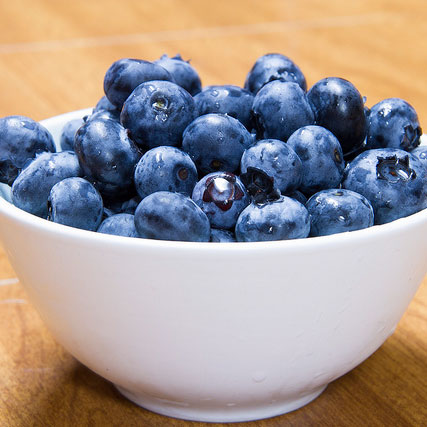
- All berries are great and can be eaten freely. Here’s a list that I am sure you will recognise;
- Black berries, raspberries, straw berries, blue berries, logan berries, elderberry, goji berry plus loads more that you may not of heard of.
- Some of the less well-known berries; Holly berry, Ivy berry, poke berry, yew berry, Huckleberry and again loads more. Juicy sweet berries are not only delicious to eat, but they are packed full of antioxidants, vitamins, Fibre and cancer fighting properties.
- On the other hand, apples and pears can be eaten but no so much as berries, but not tropical fruits like bananas, oranges, grapes, mangoes. Remember that bears eat lots of fruit in the autumn because the high fructose content makes them fat for hibernation. In particular you should avoid fruit juices and dried fruit which have the highest concentration of sugars and will make you store fat.
There are additional advantages to adopting this approach to your diet – reducing wheat based products in practice is often of benefit in many people, regardless of whether they reduce total carbohydrate intake. This is because of the high proportion of people that have various intolerance to wheat. It also essentially removes a large amount of the processed food options which is clearly helpful!
Click here to read part 1 of this blog post.
Click here to read more about our Adrenal Support.
Image taken from ericabreetoe