


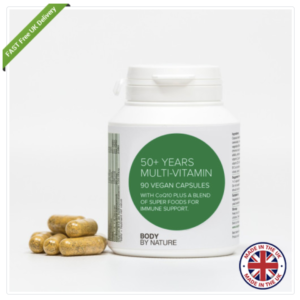
Choosing multi-vitamins is never one-size-fits-all—and that’s especially true after 50. Nutrient needs can shift with age, lifestyle, medications, and changes in digestion. So while a general adult multi-vitamin can be helpful, an over-50s approach is often more targeted: supporting bones, energy, immunity, and healthy ageing without unnecessary mega-doses.
This guide explains what to look for in a multi-vitamin for over 50s, what to avoid, and how to make a practical choice that fits your routine.
Why multi-vitamins needs can change after 50
After 50, common factors that influence nutrient status include:
- Reduced stomach acid (which can affect absorption of certain nutrients)
- Changes in appetite or dietary variety
- Less time outdoors (impacting vitamin D)
- Higher focus on bone and muscle support
- Increased likelihood of prescription medications
A quality multi-vitamin can help cover gaps—but it should be chosen carefully, especially if you’re taking medication or managing a health condition.
What to look for in a multi-vitamin for over 50s
1) Vitamin D (bone, immune, muscle support)
Vitamin D is one of the most important nutrients to check in any over-50s multi-vitamin.
Look for:
- Vitamin D included (not all formulas have enough)
- A sensible, daily dose that fits your needs
If you’ve been told you’re low in vitamin D, you may need a separate vitamin D supplement—but a multi-vitamin can still provide a helpful baseline.
2) Vitamin B12 (energy metabolism and nervous system support)
B12 absorption can become less efficient with age, particularly if stomach acid is reduced.
Look for:
- B12 included at a meaningful level
- A form that suits you (labels may list different B12 forms)
If you follow a plant-based diet, B12 becomes even more important.
3) Folate (not folic acid overload)
Folate supports normal cell division and energy metabolism.
Look for:
- Folate included at a sensible dose
- Clear labelling of the form
You don’t need extreme amounts in a daily multi-vitamin. Balance matters.
4) Vitamin K (especially K2) and calcium strategy
Bone health is a major priority over 50. Some multivitamins include vitamin K, and some include calcium.
Practical note:
- Calcium is a bulky mineral, so many multivitamins include only small amounts.
- If you need meaningful calcium support, it’s often better addressed through diet and/or a separate supplement.
If you take blood thinners (e.g., warfarin), speak to a healthcare professional before taking vitamin K.
5) Magnesium (often not enough in a multi-vitamin)
Magnesium supports muscle function, sleep quality, and energy metabolism.
Reality check:
- Most multivitamins include only a small amount of magnesium.
So, when choosing a multi-vitamin, don’t assume it covers magnesium fully. If magnesium is a key goal, consider it separately.
6) Zinc and selenium (immune and antioxidant support)
Zinc and selenium are commonly included to support immune function and antioxidant processes.
Look for:
- Moderate, daily doses
- Avoid stacking multiple zinc products unless you know your total intake
7) Eye and brain support nutrients (optional)
Some over-50s formulas include extras like lutein or other antioxidants.
These can be useful, but they’re not essential for everyone. If the product adds lots of extras but skimps on core nutrients, it may not be the best value.
What to avoid in a multi-vitamin for over 50s
1) Unnecessary mega-doses
High percentages across every nutrient can look impressive, but more isn’t always better—especially if you also eat fortified foods.
Avoid:
- Extremely high doses without a clear reason
- Stacking multiple high-dose products on top of a multi-vitamin
2) Iron (unless you’ve been advised to take it)
Many over-50s do not need extra iron. In some cases, unnecessary iron can cause digestive discomfort.
General guidance:
- Consider avoiding iron in a multi-vitamin unless a practitioner has recommended it.
If you’re unsure, check with a healthcare professional before supplementing iron.
3) Too many add-ons that don’t match your goal
Some formulas include long lists of herbs, stimulants, or “proprietary blends”.
Avoid:
- Proprietary blends that hide doses
- “Kitchen sink” formulas that don’t align with your needs
Simple and consistent usually wins.
4) Gummies with lots of sugar (and low potency)
Gummies can be convenient, but they often:
- Contain added sugars
- Have lower mineral doses
- Use fewer nutrient forms due to stability limits
capsules or tablets are often more effective.
When should over-50s take a multi-vitamin?
Most people do best taking a multi-vitamin:
- With breakfast or lunch
- With food to reduce nausea
- Earlier in the day if it contains energising B vitamins
If you take thyroid medication, antibiotics, or other prescriptions, ask your pharmacist about spacing supplements—minerals can sometimes interfere with absorption.
What results should you expect?
A multi-vitamin isn’t usually a “feel it instantly” supplement.
Over 2–6 weeks, people often notice:
- More consistent energy (less “dragging” days)
- Better routine consistency
- Subtle improvements in overall wellbeing
If your goal is bone health, think long-term: consistency over months matters more than quick changes.
Where Body by Nature Supplements fits in
If you’re choosing multi-vitamins for over 50s, quality and clarity matter: transparent labels, sensible dosing, and formulas designed to support real routines.
Body by Nature Supplements focuses on quality-first options that help you build a consistent daily foundation—without unnecessary hype.
Explore the range here: https://www.bodybynaturesupplements.com
Final thoughts
A great over-50s multi-vitamin supports the basics: vitamin D, B12, sensible minerals, and immune support nutrients—without unnecessary iron or mega-doses.
Choose a formula that matches your goals, fits your routine, and feels good to take daily. That’s what makes multi-vitamins worth it.