


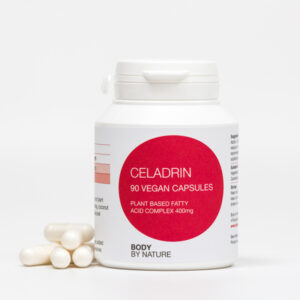
If stiff knees, achy hips, or creaky shoulders are starting to affect your day-to-day, you’re not alone. Joint comfort is one of the most common wellness goals—especially for people who want to stay active, keep up with work and family life, or simply move without thinking about it.
That’s where Celadrin often enters the conversation. Known for its use in joint-focused routines, Celadrin is a popular option for people looking for extra support alongside a balanced lifestyle.
In this guide, we’ll explain what Celadrin is, why people use it, and what to know when considering Celadrin joint support as part of your daily mobility plan.
What Is Celadrin?
Celadrin is a branded complex of cetylated fatty acids (CFAs). Fatty acids are naturally found in the body and in many foods, and they play a role in normal cell structure and function.
Celadrin is typically used in supplements designed to support joint comfort, flexibility, and movement—especially for people who feel stiff after sitting, first thing in the morning, or after exercise.
While everyone’s experience is different, the reason many people explore Celadrin joint support is simple: they want to feel more comfortable in motion.
Why Joint Comfort Impacts Daily Mobility
Mobility isn’t just about intense workouts. It’s the ability to:
- Walk up stairs without hesitation
- Get up from a chair smoothly
- Carry shopping bags comfortably
- Keep up with the kids (or grandkids)
- Enjoy hobbies like gardening, golf, cycling, or long walks
When joints feel uncomfortable or stiff, people often move less. Over time, less movement can lead to reduced strength and flexibility—which can make mobility feel even harder.
That’s why many mobility routines focus on a “support + movement” approach: gentle activity, strength work, and targeted nutrients that help you stay consistent.
Celadrin Joint Support: How It May Help
Celadrin is most commonly used for joint comfort and flexibility. People often add it to their routine because it may help support:
- Everyday joint comfort (especially during movement)
- Flexibility and range of motion
- Comfort after activity
- Daily mobility habits by making movement feel more manageable
The key word here is “support.” Supplements aren’t meant to replace medical care or treat conditions, but they can be a practical addition for people who want to feel better supported as they move.
If your goal is Celadrin joint support, the best results typically come from pairing it with simple, consistent lifestyle habits.
Who Might Consider Celadrin?
Celadrin may be a good fit for people who:
- Feel stiff or uncomfortable during normal daily movement
- Want to stay active as they age
- Train regularly and want joint comfort support
- Sit for long periods and feel tight when they stand up
- Are building a “mobility-first” wellness routine
If you have ongoing pain, swelling, or a diagnosed joint condition, it’s always worth speaking to a healthcare professional—especially if symptoms are new, worsening, or affecting your quality of life.
How Long Does Celadrin Take to Work?
This varies from person to person. Some people notice changes in comfort and mobility relatively quickly, while others find it takes a few weeks of consistent use.
A practical mindset is:
- Commit to a consistent routine for several weeks
- Track how you feel during typical activities (stairs, walks, workouts)
- Keep your movement habits steady so you can judge changes fairly
With Celadrin joint support, consistency is usually more important than “perfect timing.”
Celadrin vs. Other Joint Supplements
Joint support supplements often include ingredients like glucosamine, chondroitin, turmeric/curcumin, omega-3s, collagen, MSM, and more.
Celadrin is different because it’s based on cetylated fatty acids rather than a vitamin, mineral, or herb. Some people choose Celadrin because they want an alternative approach, or because they’re already using other joint ingredients and want a complementary option.
If you’re stacking supplements, keep it simple and intentional. More isn’t always better—especially if you’re taking multiple products that overlap.
Lifestyle Tips to Maximise Celadrin Joint Support
If you want to get the most out of Celadrin joint support, try pairing it with these joint-friendly habits:
1) Move a little, often
Short walks, gentle stretching, and regular movement breaks can help reduce stiffness.
2) Strengthen the muscles around your joints
Strength training (even light resistance) supports the joints by improving stability—especially around knees, hips, and shoulders.
3) Warm up before activity
A 5–10 minute warm-up can make movement feel smoother and more comfortable.
4) Support recovery
Sleep, hydration, and balanced nutrition all play a role in how you feel day to day.
5) Maintain a healthy body weight (if relevant)
For many people, even small changes can reduce stress on weight-bearing joints.
These habits don’t need to be extreme. The goal is to build a routine you can stick with.
What to Look For in a Celadrin Supplement
When choosing a product, look for:
- Clear labelling (so you know exactly what you’re taking)
- Trusted manufacturing standards
- Simple ingredient lists
- Easy daily dosing you can stay consistent with
Body by Nature Supplements focuses on quality and practicality—because the best supplement is the one you’ll actually take consistently.
Final Thoughts: Is Celadrin Right for You?
If your goal is to stay active, feel more comfortable during everyday movement, and support your mobility long-term, Celadrin may be a smart addition to your routine.
The biggest takeaway: Celadrin joint support works best as part of a wider mobility plan—one that includes regular movement, strength, recovery, and a consistent supplement routine.
If you’re ready to support your joints and keep moving with confidence, Celadrin from Body by Nature Supplements could be a simple, effective next step.