


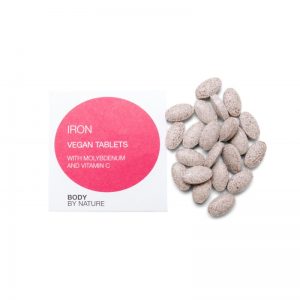
Iron can be a game-changer when you genuinely need it. If you’ve been told your iron is low (or you’re supporting iron levels after blood tests), supplementing can help restore energy, support normal red blood cell formation, and improve overall wellbeing.
But there’s one common downside that puts people off: iron supplements constipation.
If you’ve started taking iron and noticed bloating, stomach discomfort, or fewer (and harder) bowel movements, you’re not imagining it. Constipation is one of the most reported side effects of iron supplements — especially at higher doses or with certain forms.
The good news? You often can reduce side effects with a few smart changes.
Why do iron supplements cause constipation?
Iron is absorbed in the gut, and unabsorbed iron can irritate the digestive tract. For some people, iron can also slow gut motility (how quickly food moves through the intestines). The result can be:
- harder stools
- less frequent bowel movements
- bloating and cramps
- nausea or a “heavy” feeling in the stomach
Not everyone gets these symptoms, but if you’re searching iron supplements constipation, you’re in the group that does.
Step one: confirm you actually need iron
This might sound obvious, but it matters.
If you’re taking iron “just in case,” you may be dealing with side effects without a clear benefit. Ideally, iron supplementation should be based on:
- blood tests (often haemoglobin and ferritin)
- symptoms + risk factors (e.g., heavy periods)
- guidance from a healthcare professional
If your levels are normal, pushing extra iron can be unnecessary — and harder on your gut.
Choose a gentler form of iron
Different forms of iron can feel very different in the body.
Some people tolerate certain types better than others. If constipation is an issue, consider discussing these options with a professional:
- lower-dose iron taken consistently
- “gentle” iron formats that are designed for better tolerance
- slow-release options (though these aren’t ideal for everyone)
The “best” iron is the one you can actually stick with — without dreading the digestive fallout.
Adjust your dose (more isn’t always better)
A common mistake is assuming that higher dose = faster results.
In reality, taking too much iron can:
- increase constipation risk
- increase nausea
- make you more likely to quit entirely
If you’re dealing with iron supplements constipation, ask your practitioner whether you can:
- reduce the dose
- take it every other day
- split the dose (e.g., half in the morning, half later)
Sometimes a small adjustment makes a big difference.
Take iron with food (if your stomach needs it)
Iron is often recommended on an empty stomach for absorption, but that’s not realistic for everyone.
If iron makes you feel sick or constipated, taking it with a small meal can improve tolerance. You may absorb slightly less, but you’re more likely to stay consistent — and consistency is what rebuilds iron stores.
Avoid these at the same time
Some foods and drinks can reduce iron absorption:
- tea and coffee
- calcium supplements
- high-calcium foods (for some people)
You don’t have to eliminate them — just avoid taking them right with your iron.
Add vitamin C to support absorption
Vitamin C can help improve iron absorption, which may mean you can use a lower dose while still getting results.
Easy pairings include:
- a glass of orange juice
- berries
- kiwi
- peppers
- a vitamin C supplement (if appropriate)
Better absorption can sometimes mean less unabsorbed iron sitting in the gut — which may help with side effects.
Hydration: the simplest constipation fix (and the most ignored)
If you’re constipated, water matters.
Aim for steady hydration across the day, not just a big glass at night. If you’re increasing fibre (more on that below), hydration becomes even more important.
A simple check: if your urine is consistently dark yellow, you may not be drinking enough.
Increase fibre — but do it gradually
Fibre helps keep stools softer and supports regular bowel movements. If iron is slowing things down, fibre can help.
Good options include:
- oats
- chia seeds and flaxseed
- beans and lentils
- vegetables (especially leafy greens)
- prunes or dried apricots
If you suddenly jump from low fibre to high fibre, you can feel more bloated. Increase slowly over a week or two.
Support your gut with magnesium (if appropriate)
Magnesium is often used to support normal bowel function and muscle relaxation. Some people find magnesium helps keep things moving when iron causes constipation.
If you’re considering magnesium, it’s worth checking:
- the type of magnesium (some are more bowel-friendly than others)
- your current supplements (to avoid doubling up)
- any medications or health conditions
Timing matters: try taking iron earlier in the day
Some people find that taking iron at night makes them more aware of stomach discomfort or constipation the next morning.
If you’re struggling, try:
- taking iron with breakfast or lunch
- keeping your routine consistent for 1–2 weeks
Your body often adapts, but it needs a stable pattern.
What if constipation is severe?
If you have:
- severe abdominal pain
- no bowel movement for several days
- blood in stool
- vomiting
Stop supplementation and seek medical advice promptly.
Also, if constipation persists despite adjustments, it may be time to:
- switch iron type
- change dose schedule
- reassess whether iron is the right solution
Why Body by Nature Supplements fits a “gentle consistency” approach
At Body by Nature Supplements, the goal is simple: support your health in a way you can actually maintain.
If you need iron, the best results come from a routine you can stick to — not a high-dose plan that leaves you uncomfortable. With the right product choice, supportive nutrition, and a few practical tweaks, iron supplements constipation doesn’t have to be the reason you give up.
Final thoughts
Iron supplements can be incredibly helpful — but constipation is a real and common side effect.
If you’re dealing with iron supplements constipation, focus on the basics first: confirm you need iron, choose a better-tolerated form, adjust dose, support absorption, hydrate, and build fibre gradually. Small changes can make iron supplementation far more comfortable — and far more sustainable.