


If you’ve been looking for an easy way to “top up” your nutrition, you’ve probably come across green powders and algae supplements. Two names show up again and again: spirulina and chlorella.
They’re often grouped together (and sometimes even blended), but they’re not the same. If you’re trying to decide spirulina vs chlorella, the best choice depends on what you want from a green supplement: daily nutrient support, digestion support, a gentle “cleaner” feel, or something that fits your routine without fuss.
Let’s break it down in a simple, practical way.
First: what are spirulina and chlorella?
Spirulina
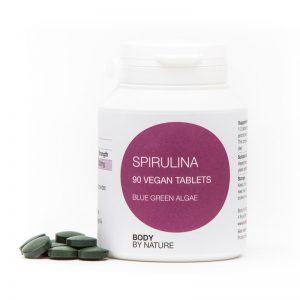
Spirulina is a blue-green algae (technically a type of cyanobacteria) that grows in fresh water. It’s known for being nutrient-dense and high in protein.
You’ll usually find it as:
- powder (easy to add to smoothies)
- tablets/capsules (easy to take on the go)
Chlorella
Chlorella is a green freshwater algae with a tougher outer cell wall. It’s also nutrient-dense, but it’s often discussed more in the context of digestion and “cleansing” support.
Like spirulina, it’s commonly sold as:
- tablets
- capsules
- powder
So in the spirulina vs chlorella debate, you’re comparing two different algae with overlapping benefits — but slightly different strengths.
Spirulina vs chlorella: the quick difference
If you want the short version:
- Spirulina is often chosen for everyday nutrition + energy support.
- Chlorella is often chosen for digestion support + gentle detox-style routines.
Both can be great — but they don’t always feel the same in your body.
Nutrient profile: what you’re really getting
Spirulina: protein + antioxidants
Spirulina is well known for:
- a high protein content (for a plant-based supplement)
- naturally occurring antioxidants
- nutrients that support an active lifestyle
People often reach for spirulina when they want a “greens boost” that feels like it supports energy and recovery — especially if they don’t eat many vegetables day to day.
Chlorella: chlorophyll + micronutrients
Chlorella is often associated with:
- chlorophyll content
- micronutrient density
- support for regularity and gut comfort (for some people)
Because chlorella has a tougher cell wall, many products use “cracked cell wall” chlorella to improve digestibility.
Digestion: which is easier on the stomach?
This is where the spirulina vs chlorella choice can get personal.
- Some people find spirulina gentler and easier to start with.
- Some people find chlorella more likely to cause digestive changes at first (gas, bloating) — especially if they jump in at a high dose.
If you have a sensitive stomach, starting low and building gradually is usually the smartest move.
“Detox” claims: what to know (without the hype)
You’ll see a lot of marketing around detoxing with greens. Here’s the grounded version:
- Your body already has detox systems (liver, kidneys, gut).
- Supplements can support those systems, but they don’t replace them.
Chlorella is often the one people choose for a “cleaner” feeling routine because it’s commonly linked to binding and elimination support. Spirulina is less associated with detox messaging and more with general nourishment.
So if your goal is a gentle reset routine, chlorella may be the one you’re curious about. If your goal is daily nutrition support, spirulina often wins.
Energy and fatigue: which is better?
Neither spirulina nor chlorella is a stimulant. But because they’re nutrient-dense, some people report feeling more “switched on” when they take them consistently.
In general:
- Spirulina is more commonly associated with energy and performance support.
- Chlorella is more commonly associated with digestion and overall wellbeing.
If your tiredness is linked to poor sleep, stress, or low iron/B12, you’ll still want to address those directly — greens can be supportive, but they’re not a targeted fix.
Taste and convenience: the real-world factor
Let’s be honest: if you hate the taste, you won’t take it.
- Spirulina has a strong “sea” flavour that can be noticeable in smoothies.
- Chlorella can taste earthy/green and also be intense.
If taste is a dealbreaker, tablets or capsules are often the easiest option.
How to choose: spirulina vs chlorella based on your goal
Spirulina if you want:
- a simple daily greens habit
- extra nutritional support (especially if your diet is inconsistent)
- something that fits an active lifestyle
Chlorella if you want:
- digestion and regularity support
- a “reset” style routine
- a greens supplement that feels more cleansing-focused
Choose a blend if you want:
- a balanced approach
- broad support without overthinking it
A blend can be a great option if you don’t want to pick sides in the spirulina vs chlorella debate.
How to take them (and how to avoid side effects)
If you’re new to algae supplements:
- Start low (especially with chlorella)
- Take with food if your stomach is sensitive
- Increase slowly over 1–2 weeks
- Stay hydrated (especially if your digestion changes)
If you notice persistent nausea, headaches, or digestive discomfort, pause and reassess.
Who should be cautious?
Check with a healthcare professional before using spirulina or chlorella if you:
- are pregnant or breastfeeding
- have an autoimmune condition
- take blood thinners or immune-modulating medication
- have known allergies to algae/seafood-related supplements
Also, quality matters with algae products. Because they’re grown in water, sourcing and testing are important.
Why Body by Nature Supplements is a good fit
Body by Nature Supplements is about practical wellness — the kind you can actually keep up with.
If you’re choosing spirulina vs chlorella, the “best” supplement is the one that matches your goal, feels good in your body, and fits your routine. Consistency beats intensity every time.
Final verdict
So, spirulina vs chlorella — which green supplement is best?
- If you want a straightforward daily nutrition boost, spirulina is often the best starting point.
- If you want more digestion and “reset routine” support, chlorella may be the better match.