


Feeling tired all the time can be frustrating — especially when you’re doing “all the right things” like getting to bed on time, drinking water, and trying to eat well. The tricky part is that fatigue isn’t one single problem. It’s a symptom with lots of potential causes.
One of the most common questions people ask is whether iron for fatigue is the answer.
Iron can absolutely play a role in energy levels — but it’s not a magic fix for every type of tiredness. In this article, we’ll break down what iron does in the body, why low iron can leave you drained, and how to tell when iron might actually help.
Why you feel tired: fatigue has many causes
Before we zoom in on iron, it helps to understand the bigger picture. Fatigue can be linked to:
- poor sleep quality (even if you’re in bed for 8 hours)
- stress and mental load
- not eating enough calories or protein
- dehydration
- low vitamin D or B12
- thyroid issues
- overtraining or under-recovering
- illness or inflammation
So if you’re exploring iron for fatigue, it’s smart to treat it as one possible piece of the puzzle — not the only one.
What does iron actually do?
Iron is a mineral your body needs to make haemoglobin, a protein in red blood cells that carries oxygen around the body.
Oxygen delivery matters because your muscles, brain, and organs rely on oxygen to produce energy efficiently. When iron is low, oxygen transport can suffer — and that’s when fatigue can start to feel relentless.
Iron is also involved in:
- normal immune function
- cognitive function (focus, memory)
- energy-yielding metabolism
That’s why low iron doesn’t just make you “a bit tired.” It can affect your stamina, motivation, and even how clearly you think.
Iron deficiency vs anaemia: what’s the difference?
This is where a lot of confusion comes in.
- Iron deficiency means your iron stores are low.
- Iron deficiency anaemia means iron is so low that it’s affecting red blood cell production and haemoglobin levels.
You can feel symptoms of fatigue before it becomes full anaemia, especially if your iron stores (often measured as ferritin) are low.
This is why some people find that iron for fatigue helps — but typically only when fatigue is actually connected to low iron status.
Signs low iron could be contributing to fatigue
Everyone is different, but common signs that may point toward low iron include:
- persistent tiredness and low stamina
- feeling breathless more easily than usual
- weakness or reduced exercise performance
- pale skin
- headaches
- dizziness
- cold hands and feet
- brittle nails
- restless legs (in some people)
These symptoms can overlap with other issues, so it’s best not to self-diagnose. A blood test is the most reliable way to confirm what’s going on.
Who is more likely to need iron support?
Certain groups are more at risk of low iron, including:
- women with heavy periods
- pregnant women (higher iron demands)
- vegetarians/vegans (less heme iron in the diet)
- endurance athletes (higher turnover and losses)
- people with digestive issues that affect absorption
- teenagers (growth increases nutrient needs)
If you’re in one of these groups and you’re struggling with fatigue, it makes sense to consider whether iron for fatigue could be relevant — ideally with testing and guidance.
When iron might help (and when it won’t)
Iron might help if:
- your bloodwork shows low ferritin and/or low haemoglobin
- your diet is consistently low in iron-rich foods
- you have increased iron needs (e.g., heavy periods)
- you’ve been advised by a professional to supplement
Iron probably won’t help if:
- your iron levels are normal and fatigue is coming from stress, sleep, or another nutrient gap
- you’re taking iron “just in case” without knowing your baseline
Taking iron when you don’t need it can cause unwanted side effects (and in some cases can be harmful), so it’s worth getting clarity.
Food first: iron-rich foods to support energy
If you’re looking at iron for fatigue, start by checking your diet.
There are two main types of dietary iron:
- Heme iron (more easily absorbed): red meat, liver, poultry, fish
- Non-heme iron (less easily absorbed): beans, lentils, tofu, spinach, pumpkin seeds, fortified cereals
Simple ways to improve absorption
- Pair iron-rich foods with vitamin C (peppers, citrus, berries, broccoli)
- Avoid tea/coffee right with iron-rich meals (they can reduce absorption)
- Be mindful of calcium supplements at the same time as iron (can interfere for some people)
Small tweaks can make a big difference over time.
Choosing an iron supplement: what to look for
Not all iron supplements feel the same in your body.
When choosing an iron product, consider:
- form of iron (some are gentler than others)
- dose (more isn’t always better)
- tolerance (constipation and stomach upset are common)
- whether it includes supporting nutrients (like vitamin C)
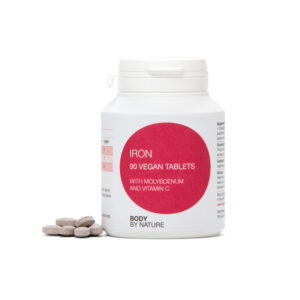
Body by Nature Supplements focuses on practical, everyday wellness — and that’s exactly the approach iron needs: consistent, sensible, and aligned with your actual needs.
How long does it take for iron to help fatigue?
If low iron is the cause, improvements can take time.
A realistic timeline is:
- 1–2 weeks: some people notice small changes in energy
- 4–8 weeks: more noticeable improvements
- 3+ months: often needed to rebuild iron stores fully
This depends on how low your iron is, how well you absorb it, and whether the underlying cause (like heavy periods) is ongoing.
Important safety note
Because iron is a mineral the body stores, it’s best to avoid high-dose supplementation without testing.
Speak to a healthcare professional before using iron supplements if you:
- have a medical condition affecting iron
- have a history of high iron levels
- are pregnant or breastfeeding
- take medications and want to check for interactions
Final thoughts
Fatigue can come from many places — but when iron is low, it can drain your energy in a very real way. The key is matching the solution to the cause.
If you suspect low iron could be behind your tiredness, testing is the smartest next step. From there, a food-first approach and the right supplement (when needed) can make iron for fatigue a genuinely helpful part of your routine.