


If you’ve ever been woken up by a sudden calf cramp, had your foot seize up mid-walk, or felt your hamstring tighten after exercise, you know how intense muscle cramps can be. They’re common, frustrating, and sometimes painful enough to stop you in your tracks.
It’s also why so many people search for magnesium for muscle cramps. Magnesium is closely linked to muscle function and relaxation, and it’s often recommended as a simple, natural support option.
But can magnesium really help? And if you do want to try it, what’s the smartest way to use it?
This guide covers the most common causes of cramps, what fixes actually help, and practical supplement tips (without the hype).
What are muscle cramps (and why do they happen)?
A muscle cramp is an involuntary, sudden contraction of a muscle. It can last seconds or minutes, and it’s most common in the calves, feet, and thighs.
Cramps don’t always have one clear cause. Often, it’s a mix of factors, including:
- Dehydration (especially in hot weather or after sweating)
- Electrolyte imbalance (sodium, potassium, magnesium, calcium)
- Muscle fatigue (exercise, long periods standing)
- Poor circulation or prolonged sitting
- Nerve irritation (sometimes from lower back issues)
- Pregnancy (leg cramps are common)
- Certain medications (e.g., diuretics)
- Low intake of key minerals over time
Because the causes vary, the “best fix” depends on what’s triggering your cramps.
Where magnesium fits in
Magnesium is essential for normal muscle and nerve function. It helps regulate muscle contraction and relaxation, and it plays a role in how your body uses energy.
That’s why magnesium for muscle cramps makes sense in theory: if cramps are related to low magnesium intake, magnesium support may help reduce frequency or severity.
What the research suggests (in plain English)
Evidence is mixed.
- In some groups—particularly people who may be low in magnesium—supplementation may help.
- In other cases, cramps are driven more by fatigue, hydration, or other electrolytes, and magnesium alone won’t be the magic answer.
So the most realistic approach is this: magnesium can be helpful, but it works best as part of a broader “cramp prevention” routine.
Quick relief: what to do during a cramp
When a cramp hits, your goal is to release the contraction and restore blood flow.
Try:
- Gently stretch the muscle (for a calf cramp, pull toes toward your shin)
- Massage the area with firm, slow pressure
- Walk it out if you can
- Apply heat to relax the muscle (or ice if it’s sore afterwards)
- Hydrate—especially if you’ve been sweating or haven’t drunk much
If cramps are frequent, the bigger win is prevention.
Prevention: the most common fixes that actually help
1) Hydration (and not just water)
If you’re sweating, exercising, or drinking lots of caffeine, you may need more fluids—and sometimes more electrolytes.
Tip: if cramps happen after workouts or on hot days, consider an electrolyte drink (especially one containing sodium and potassium), and then evaluate magnesium.
2) Stretching and mobility
Tight calves, hamstrings, and feet can cramp more easily.
Simple habit: 2–3 minutes of calf and hamstring stretching before bed can make a difference for night cramps.
3) Reduce muscle overload
If cramps happen after a new exercise routine, long walks, or standing all day, your muscles may be fatigued.
Fix: build intensity gradually, and prioritise recovery (sleep, protein, gentle movement).
4) Check your mineral intake
Magnesium is one piece, but potassium and calcium matter too.
Magnesium-rich foods include:
- Pumpkin seeds
- Almonds and cashews
- Spinach and leafy greens
- Beans and lentils
- Dark chocolate (yes, really)
If your diet is low in these foods, magnesium for muscle cramps becomes a more relevant option.
Which type of magnesium is best for muscle cramps?
Not all magnesium supplements are the same. The form you choose affects absorption and how your stomach tolerates it.
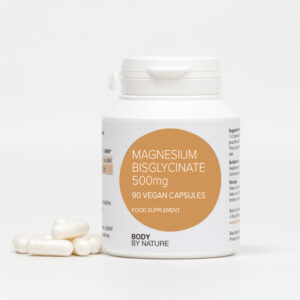
Magnesium bisglycinate (glycinate)
A popular option for people who want magnesium support without digestive upset.
Why it’s often chosen:
- Generally gentle on the stomach
- Well tolerated for daily use
- Often used for muscle relaxation and sleep support
Magnesium citrate
Well absorbed, but can have a laxative effect for some people.
Why it’s chosen:
- Useful if constipation is also an issue
If you’re sensitive, citrate may not be the best starting point for magnesium for muscle cramps.
Magnesium oxide
Contains a lot of elemental magnesium but is typically less well absorbed.
It’s not usually the first choice if your goal is muscle function support.
When should you take magnesium for muscle cramps?
Timing depends on your pattern.
- Night cramps: many people take magnesium in the evening
- Exercise-related cramps: daily consistency matters more than “right before a workout”
Magnesium isn’t typically an instant fix. If it helps, you may notice improvements over a few weeks of consistent use.
How much should you take?
Always follow the label directions on your supplement and consider starting with a lower dose to assess tolerance.
If you’re pregnant, breastfeeding, have kidney issues, or take prescription medication, check with a healthcare professional before supplementing.
Why Body by Nature Supplements is a solid option
If you’re exploring magnesium for muscle cramps, Body by Nature Supplements’ Magnesium options (especially magnesium bisglycinate) are a practical place to start—particularly if you want a form that’s generally well tolerated and easy to take consistently.
Pair it with hydration, stretching, and recovery, and you’ll give your body the best chance of fewer cramps.
Final thoughts
Muscle cramps can be caused by dehydration, fatigue, tight muscles, or mineral imbalances. Magnesium plays a key role in muscle function, so magnesium for muscle cramps can be helpful—especially if your intake is low or your cramps tend to happen at night.
The smartest approach is a combined plan: hydrate well, stretch regularly, build exercise gradually, and choose a well-absorbed magnesium form you can take consistently.