


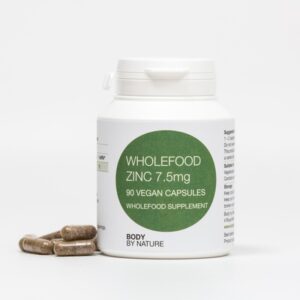
When you’re trying to stay well (especially during busy seasons, travel, or times of stress), two nutrients always seem to come up: zinc and vitamin C. They’re both popular, both widely available, and both strongly associated with immune health.
But if you’re choosing one to prioritise, you might be wondering: zinc vs vitamin c for immunity , which is better?
The honest answer is that they do different jobs, and for many people, the best approach isn’t “either/or” it’s understanding what each one supports, when it makes sense to take them, and how to use them as part of a bigger immune-support routine.
First: what does “immune support” actually mean?
Your immune system isn’t a single organ — it’s a network that includes:
- physical barriers (skin, mucous membranes)
- immune cells that identify threats
- chemical messengers that coordinate response
- recovery processes that help you bounce back
Nutrients don’t “switch on” immunity like a light. Instead, they help your body maintain normal immune function — especially if you’re low in them.
That’s the key context for zinc vs vitamin c for immunity: both can be helpful, but they’re most impactful when they correct a deficiency or support you during higher-demand periods.
Vitamin C for immunity: what it does
Vitamin C (ascorbic acid) is a water-soluble vitamin best known for its antioxidant role. It supports immune function in several practical ways:
- Antioxidant protection: helps protect cells from oxidative stress
- Skin and barrier support: contributes to collagen formation, supporting the integrity of skin and tissues
- Immune cell function: supports normal function of various immune cells
- Recovery support: often used to support the body during times of increased demand
Because it’s water-soluble, your body doesn’t store large amounts of vitamin C. That means regular intake matters.
Who might benefit most from vitamin C?
Vitamin C can be a smart priority if you:
- don’t eat many fruits and vegetables
- are under high stress (which can increase nutrient demand)
- want daily antioxidant and barrier support
- want something generally well-tolerated for everyday use
Zinc for immunity: what it does
Zinc is a mineral that plays a direct role in immune cell development and communication. It’s involved in hundreds of enzymatic processes in the body, and immune function is one of its most well-known areas.
Zinc supports:
- normal development and function of immune cells
- cell signalling that helps coordinate immune response
- wound healing and tissue repair (important for barrier integrity)
Unlike vitamin C, zinc is not just an antioxidant story — it’s a “building block” nutrient that your immune system relies on.
Who might benefit most from zinc?
Zinc may be especially useful if you:
- have a limited diet (low in meat/seafood/legumes)
- sweat heavily or train hard (higher turnover)
- want targeted immune support during seasonal challenges
- suspect low zinc intake (common in some diets)
Zinc vs vitamin C for immunity: which is better?
If you’re choosing based on “which one is more essential to immune function,” zinc often gets the edge because it’s so directly involved in immune cell activity.
But if you’re choosing based on “which one supports daily resilience and is easy to get consistently,” vitamin C is a strong contender.
A more useful way to think about zinc vs vitamin c for immunity is:
- Vitamin C supports antioxidant protection and barrier integrity, and it’s great for daily maintenance.
- Zinc supports immune cell function and is often used more strategically during higher-need periods.
Can you take zinc and vitamin C together?
Yes — and many people do.
They don’t “cancel each other out.” In fact, they can be complementary because they support different aspects of immune function.
If you’re building a simple routine, a common approach is:
- vitamin C daily (especially if fruit/veg intake is inconsistent)
- zinc daily for a short period during seasonal challenges, or a few times per week as maintenance (depending on your product and dose)
If you’re unsure about dosing, it’s always worth checking the label and speaking to a healthcare professional — especially if you’re pregnant, breastfeeding, on medication, or managing a health condition.
What about side effects?
Vitamin C
Vitamin C is generally well tolerated, but higher doses can cause:
- stomach upset
- loose stools
Taking it with food can help.
Zinc
Zinc can cause nausea if taken on an empty stomach. It’s often best taken with a meal.
Also, long-term high-dose zinc can interfere with copper status. This is one reason it’s smart to avoid mega-dosing unless guided by a professional.
Food first: where to get zinc and vitamin C
A strong immune-support base starts with diet.
Vitamin C foods
- citrus fruits
- berries
- kiwi
- peppers
- broccoli
Zinc foods
- meat and poultry
- shellfish
- dairy
- legumes
- nuts and seeds
If your diet is inconsistent (or you’re in a higher-demand season), supplements can help fill gaps.
Why Body by Nature Supplements makes it simple
Body by Nature Supplements focuses on practical, everyday wellness support — the kind you can actually stick to.
If you’re weighing up zinc vs vitamin c for immunity, the best choice is the one that matches your needs and routine:
- If you want daily, gentle support: vitamin C is a great baseline.
- If you want more targeted immune-cell support: zinc can be a smart add-on.
- If you want a balanced approach: many people use both, consistently and sensibly.
Final thoughts
So, zinc vs vitamin c for immunity — which is better? Zinc is often more directly tied to immune cell function, while vitamin C supports antioxidant protection and barrier health. In real life, they’re not competitors; they’re teammates.