

Vitamin E doesn’t always get the spotlight. It’s not as trendy as collagen, not as talked-about as vitamin D, and it rarely becomes the “must-have” supplement of the moment. But when you look at what it actually does in the body, it’s clear why so many people search for vitamin E benefits—it’s a foundational nutrient that supports your body every day, quietly and consistently.
In this guide for Body by Nature Supplements, we’ll cover what vitamin E is, what it does, the most common vitamin E benefits, who may be at risk of low intake, and how to get more of it through food (and supplements, if needed).
What is vitamin E?
Vitamin E is a fat-soluble vitamin and a powerful antioxidant. “Vitamin E” is actually a group of compounds, with alpha-tocopherol being the form most commonly used by the human body.
Because it’s fat-soluble, vitamin E is stored in the body and is generally best absorbed when taken with a meal that contains some fat.
Vitamin E benefits: what it does in the body
When people talk about vitamin E benefits, they’re usually referring to its role in protecting cells, supporting immunity, and helping the body handle everyday stressors.
Here are the key benefits to know.
1) Antioxidant protection for your cells
One of the most well-known vitamin E benefits is its antioxidant activity.
Every day, your body is exposed to oxidative stress—from normal metabolism, from environmental factors, and from lifestyle pressures. Antioxidants help protect cells from oxidative damage. Vitamin E is especially known for helping protect cell membranes (the “outer layer” of your cells), which is important for overall cellular health.
2) Immune system support
Vitamin E contributes to normal immune function. If you’re focused on staying well through seasonal changes, busy periods, or high-stress months, getting enough vitamin E through diet (and potentially supplementation) is part of a well-rounded approach.
It’s not a magic shield, but it is one of the nutrients your immune system relies on.
3) Skin support from the inside out
Ask anyone what they’ve heard about vitamin E and they’ll probably mention skin. While topical vitamin E is popular, internal nutrition matters too.
Vitamin E helps protect cells from oxidative stress, which is one reason it’s often associated with supporting healthy-looking skin. Many people exploring vitamin E benefits are looking for nutrients that support glow, resilience, and overall skin comfort—especially when skin is feeling dry, stressed, or exposed to the elements.
4) Support during active, busy lifestyles
If you train regularly, work long hours, or simply juggle a lot, your body is constantly repairing and maintaining tissues. Antioxidants like vitamin E can be part of the bigger picture of recovery and resilience.
This doesn’t replace sleep, hydration, protein, or rest days—but it can complement a lifestyle where your body is under steady demand.
5) Heart and circulation support (as part of a balanced diet)
Vitamin E is often discussed in the context of cardiovascular health because oxidative stress can affect many parts of the body, including the cardiovascular system.
It’s important to keep this grounded: vitamin E isn’t a “heart cure,” and it shouldn’t be seen as a substitute for medical advice. But as part of a nutrient-rich diet, adequate vitamin E intake supports overall wellbeing.
What are the signs you might not be getting enough?
True vitamin E deficiency is considered uncommon in the general population, but low intake can happen—especially if your diet is low in healthy fats or you don’t eat many vitamin E-rich foods.
Some people may be more at risk due to fat absorption issues (because vitamin E is fat-soluble). If you suspect this, it’s best to speak with a healthcare professional.
Rather than trying to spot “symptoms,” the most practical approach is to look at your diet and ask: do I regularly eat foods that contain vitamin E?
Best food sources of vitamin E
If you want to increase your intake naturally, here are some of the best dietary sources:
- Nuts and seeds (especially sunflower seeds, almonds, hazelnuts)
- Plant oils (sunflower, safflower, wheat germ oil)
- Avocado
- Leafy greens (spinach)
- Fortified foods (varies by product)
Because vitamin E is fat-soluble, pairing it with meals that contain healthy fats can support absorption.
Should you take a vitamin E supplement?
A supplement can be useful if:
- Your diet is inconsistent
- You avoid many vitamin E-rich foods
- You’re looking for a simple daily “nutrient insurance” approach
That said, more isn’t always better. High-dose vitamin E supplementation isn’t right for everyone, and it can interact with certain medications or health conditions.
If you’re considering a supplement, the safest approach is:
- Follow the product label
- Avoid stacking multiple high-dose products
- Speak to your GP or pharmacist if you take medication (especially blood-thinners) or have a medical condition
How to take vitamin E for best absorption
Because vitamin E is fat-soluble:
- Take it with food, ideally a meal containing some fat
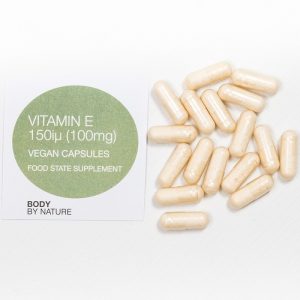
- Choose a form you’ll take consistently (capsule/soft gel is common)
- Keep it simple—daily consistency beats occasional mega-doses
Vitamin E benefits: the bottom line
Vitamin E may be underrated, but it’s absolutely not optional. It supports the body at a cellular level, contributes to immune function, and plays a role in protecting your cells from oxidative stress—one of the most talked-about vitamin E benefits for good reason.
If you want to support long-term wellbeing, skin resilience, and everyday health, vitamin E deserves a place on your radar.