

If you’re new to plant-based nutrition, protein can feel like one of the first things you need to figure out.
How much do you need? Which plant protein should you choose? And does vegan protein actually provide what your body needs?
The good news is that choosing a plant-based protein doesn’t have to be complicated.
There are plenty of options available. From pea and rice protein to blends made from several plant sources, you can find a product to suit different diets, tastes and routines.
This guide to vegan protein for beginners covers the basics, so you can make your next choice with more confidence.
What is vegan protein?
Vegan protein comes from plant-based sources rather than animal products.
Common sources include peas, rice, soy, hemp and other plants.
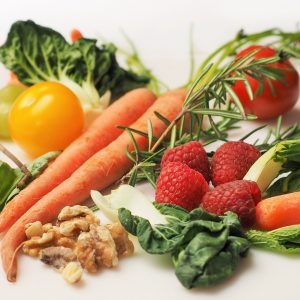
You can get protein from whole foods such as beans, lentils, chickpeas, tofu, nuts and seeds.
Protein powders offer another option.
They provide a concentrated source of protein that you can mix into drinks, smoothies or meals.
For some people, they’re simply a convenient way to add protein to an already balanced diet.
They don’t need to replace whole foods.
Think of them as another tool you can use when they fit your routine.
Why choose a plant-based protein powder?
Convenience is one of the biggest reasons.
Preparing a meal with beans, lentils or tofu isn’t always practical when you’re rushing out the door.
A protein powder can be quick.
Add it to a shaker with water or plant-based milk. Mix it into a smoothie. Add it to porridge.
That’s it.
Plant-based protein powders can also be useful for people following vegan or vegetarian diets who want an easy protein option without dairy or other animal-derived ingredients.
The main types of plant protein
Not all vegan protein powders are the same.
Different plants have different nutritional profiles and characteristics.
Pea protein
Pea protein is made from yellow peas and has become a popular choice for plant-based protein powders.
It generally provides a substantial amount of protein per serving and works well in shakes and smoothies.
It can have a slightly earthy flavour, although this varies between products.
Rice protein
Rice protein is another common option.
It has a relatively mild flavour and can be used on its own or combined with other plant proteins.
Rice protein is often included in plant-based blends because combining different sources can create a broader amino acid profile.
Soy protein
Soy is a complete protein source, meaning it provides all nine essential amino acids.
Soy protein can be found in powders as well as foods such as tofu and soya milk.
It’s an established plant protein option, although some people prefer to avoid soy due to personal dietary preferences.
Hemp protein
Hemp protein comes from hemp seeds.
It provides protein alongside other nutrients naturally found in hemp seeds.
The flavour can be more distinctive than some other protein powders, so it may work particularly well when blended into smoothies or recipes.
What does “complete protein” mean?
This is a term you’ll often see when shopping for protein.
Protein is made up of amino acids. Your body can produce some amino acids itself, but it needs to obtain nine essential amino acids from food.
A “complete” protein contains all nine essential amino acids in adequate amounts.
Some plant proteins provide all nine, while others are relatively lower in one or more essential amino acids.
That doesn’t mean an incomplete protein is useless.
Eating a varied diet means you can get different amino acids from different foods throughout the day.
Plant protein blends can also combine sources to provide a more balanced amino acid profile.
What should beginners look for?
When choosing vegan protein for beginners, don’t just pick the tub with the biggest “protein” claim on the front.
Turn it around and read the label.
Check the protein per serving
Look at how much protein you actually get in a serving.
Also check the serving size.
A large scoop doesn’t necessarily mean a high protein content.
Look at the ingredients
Check which plant sources are used.
If it’s a blend, see which proteins are included.
Also look at the rest of the ingredient list, particularly if you’re trying to avoid certain sweeteners, flavourings or other ingredients.
Consider the flavour
This sounds obvious, but it matters.
You need to actually enjoy using the product.
If you dislike the flavour, that tub may quickly end up sitting in the cupboard.
Think about how you plan to use it and choose a flavour that suits those recipes.
Check your dietary requirements
If you’re following a vegan diet, check the label rather than assuming every plant protein powder is vegan.
Some products may contain additional ingredients that don’t fit your requirements.
How can you use vegan protein powder?
You don’t need to drink a protein shake every day.
There are plenty of ways to use plant-based protein powder.
Try mixing it into:
- Smoothies
- Porridge
- Overnight oats
- Pancake mixtures
- Plant-based yoghurt
- Homemade energy bites
Start with simple recipes.
You can always experiment once you know what flavours and textures you enjoy.
Don’t forget whole-food protein
Protein powder can be convenient, but it shouldn’t be your only protein source.
A varied plant-based diet can include plenty of protein-rich foods.
Beans, lentils, chickpeas, tofu, tempeh, nuts, seeds and whole grains can all contribute to your overall protein intake.
Think of protein powder as a convenient addition.
Not the foundation of your diet.
Finding the right plant-based protein for you
There isn’t one perfect vegan protein powder.
The best option depends on your diet, taste preferences, budget and how you plan to use it.
If you’re completely new to plant-based protein, start simple.
Choose a protein source you like the sound of. Check the protein content. Read the ingredients. Try it in a smoothie or breakfast recipe.
Then see how it fits into your routine.
Learning about vegan protein for beginners doesn’t need to involve complicated nutrition rules.
Focus on the basics.
Choose a product that suits your diet. Look at what’s actually inside it. And use it alongside a varied, balanced diet.
Once you’ve found a flavour and format you enjoy, adding plant-based protein to your everyday routine becomes much easier.
Find our Vegan Starter Packs on our website here: https://www.bodybynaturesupplements.com/product/adult-vegan-starter-pack