


Spirulina has earned a reputation as a “superfood” for a reason. It’s nutrient-dense, naturally sourced, and often recommended by people looking to boost their daily wellness routine without overcomplicating things.
But with any trending supplement, it’s fair to ask: is it genuinely useful, or is it just another health fad?
In this article, we’ll break down the most talked-about spirulina benefits, what spirulina actually is, who it may suit, and how to use it in a sensible, consistent way.
What Is Spirulina?
Spirulina is a type of blue-green algae (technically a cyanobacteria) that grows in fresh and saltwater. It’s been used as a food source for a long time and is now commonly available as a powder or tablet.
What makes spirulina stand out is its nutrient profile. It contains:
- Protein (including essential amino acids)
- Vitamins and minerals
- Antioxidant compounds
- Naturally occurring pigments like phycocyanin
Because it’s so concentrated, people often explore spirulina benefits as a way to support everyday nutrition—especially when life is busy and meals aren’t always perfect.
Spirulina Benefits: Why People Take It
Spirulina isn’t a magic fix, but it can be a helpful addition to a balanced routine. Here are the most common reasons people use it.
1) Nutrient density in a small daily dose
One of the biggest spirulina benefits is that you get a lot of nutrition in a relatively small serving. For people who struggle to eat a wide variety of foods every day, spirulina can act as a “nutritional top-up.”
It’s not a replacement for vegetables, fruit, and whole foods—but it can support your baseline.
2) Antioxidant support
Spirulina contains antioxidant compounds, which help protect cells from oxidative stress. Oxidative stress is a normal part of life (exercise, stress, pollution, lack of sleep can all play a role), but supporting antioxidant intake is one reason spirulina stays popular.
If you’re looking for spirulina benefits that fit into a long-term wellness plan, antioxidant support is one of the most realistic.
3) Supporting energy and daily vitality
Many people take spirulina because they want to feel more energised and consistent day to day.
To be clear: spirulina isn’t a stimulant. But because it’s nutrient-dense, it may support normal energy-yielding metabolism as part of an overall healthy diet—especially if your nutrition has been a bit patchy.
4) A simple addition for active lifestyles
If you train regularly (gym, running, sports, busy workdays on your feet), you’re likely thinking about recovery, nutrition, and staying on top of your routine.
Spirulina is often used by active people because it’s easy to take and supports overall nutrition. This is one of the practical spirulina benefits: convenience without needing a complicated supplement stack.
5) Supporting immune function through better nutrition
Spirulina is sometimes discussed in the context of immune support. The most grounded way to think about this is simple: when your nutrition is consistent, your body is better supported overall.
Rather than treating spirulina as a “quick fix,” it’s more accurate to see immune-related spirulina benefits as part of long-term nutritional support.
Is Spirulina Worth It If You Already Eat Well?
If your diet is already strong—plenty of colourful plants, enough protein, good hydration—spirulina may not feel like a dramatic change.
But it can still be useful if you want:
- A consistent daily “nutrient boost”
- Extra antioxidant support
- A simple habit that keeps you focused on wellness
Sometimes the best supplements are the ones you actually take consistently.
How to Take Spirulina (Without Overthinking It)
Spirulina is commonly taken as:
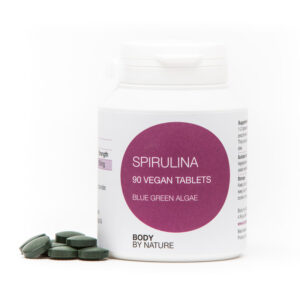
- Tablets/capsules: easiest for consistency
- Powder: added to smoothies, yoghurt, or juice
If you’re new to it, start with the label directions and take it with food if you have a sensitive stomach.
A good approach to experiencing real spirulina benefits is:
- Take it daily for a few weeks
- Keep the rest of your routine steady (sleep, hydration, meals)
- Notice changes in energy, digestion, or overall “wellness consistency”
What Does Spirulina Taste Like?
If you’ve heard spirulina tastes “strong,” that’s not wrong—especially in powder form. It has an earthy, sea-like taste.
If you’re using powder, it pairs well with:
- Banana + berries
- Citrus fruits
- Cocoa
- Honey
If taste is a barrier, tablets are often the easiest way to get the spirulina benefits without the flavour.
What to Look For in a Spirulina Supplement
Quality matters with algae-based supplements. When choosing a spirulina product, look for:
- Reputable sourcing: spirulina should be grown and processed under controlled conditions
- Clear labelling: dosage per serving and ingredient transparency
- Consistency: a product you can take daily without fuss
If you’re pregnant, breastfeeding, have a medical condition, or take medication, it’s always wise to check with a healthcare professional before adding a new supplement.
Final Thoughts: Spirulina Benefits in Real Life
Spirulina is popular because it’s simple, nutrient-dense, and easy to build into a routine. The most realistic spirulina benefits come from consistency: supporting your nutrition, antioxidant intake, and overall wellness habits over time.
If you’re looking for a straightforward daily supplement that complements a healthy lifestyle, spirulina can absolutely be worth adding—especially when you choose a quality product and pair it with the basics: good food, movement, hydration, and sleep.
Body by Nature Supplements makes it easy to add spirulina to your routine in a way that feels supportive, not overwhelming.