


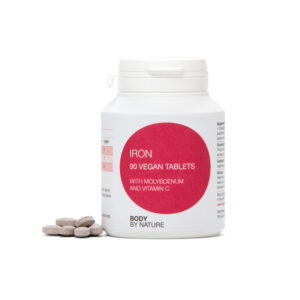
Iron is an essential mineral that supports normal formation of red blood cells and haemoglobin, and helps transport oxygen around the body. When iron intake is too low (or your body can’t absorb enough), you may start to feel the impact in day-to-day life.
But iron is also one of the easiest supplements to get wrong. Taking it when you don’t need it can cause unpleasant side effects, and in some cases it may not be appropriate at all.
This guide covers who may benefit from iron supplements, how to spot common signs that it’s worth investigating, and practical ways to reduce side effects so you can supplement more comfortably.
What does iron do?
Iron contributes to normal cognitive function and normal energy-yielding metabolism, and supports normal formation of red blood cells and haemoglobin.
In simple terms: iron helps your body move oxygen efficiently. When iron status is low, you may feel like you’re running on empty.
Who should consider iron supplements?
Not everyone needs an iron supplement. Many people get enough through food, and some groups should avoid supplementing unless advised.
That said, iron supplements may be worth considering (with professional guidance or testing) if you’re in one of these groups:
1) People who menstruate
Monthly blood loss increases iron requirements. Heavy periods can make low iron more likely.
2) Pregnant people
Iron needs rise during pregnancy. Many prenatal routines include iron, but the right dose depends on individual needs and tolerance.
3) Vegetarians and vegans
Plant-based diets can provide iron, but it’s non-haem iron, which is generally absorbed less efficiently than haem iron from animal foods.
4) Endurance athletes
Regular high-volume training (running, cycling, etc.) can increase iron losses and demand.
5) People with restricted diets or low appetite
If overall intake is low, iron can be one of the nutrients that slips.
6) People with absorption challenges
Digestive issues can affect how well you absorb iron from food.
Important: if you suspect low iron, testing is the smartest first step. Symptoms can overlap with many other issues, and supplementing blindly isn’t ideal.
Signs you might be low in iron
Symptoms vary, and they’re not specific to iron alone. But common signs that may be associated with low iron include:
- Persistent tiredness or low energy
- Feeling short of breath during normal activity
- Weakness or reduced exercise performance
- Pale skin
- Headaches
- Cold hands and feet
- Restless legs (in some cases)
If symptoms are significant or ongoing, speak with a healthcare professional and consider a blood test (often including ferritin).
Who should be cautious with iron?
Iron isn’t always appropriate. Extra caution is important if you:
- Have been told you have high iron levels
- Have a condition affecting iron storage (e.g., haemochromatosis)
- Are taking multiple supplements that already contain iron
Also note: many multivitamins include iron. If you add an iron supplement on top, you may unintentionally take more than you need.
Common iron supplement side effects (and why they happen)
Iron supplements can cause digestive side effects, especially at higher doses. Common issues include:
- Nausea
- Constipation
- Stomach cramps
- Dark stools (this can be normal with iron)
Side effects often come down to dose, form, and timing.
How to reduce iron supplement side effects
Here are practical ways to make iron easier to tolerate.
1) Start low and build up
If you’re sensitive, starting with a lower dose and increasing gradually can reduce nausea and stomach upset.
2) Take it with food (if needed)
Iron is often absorbed best on an empty stomach, but that’s not realistic for everyone.
If iron makes you feel sick:
- Take it with a small meal or snack
- Avoid taking it right before exercise
Better consistency with slightly lower absorption often beats skipping doses entirely.
3) Avoid taking iron with coffee, tea, or calcium
Certain foods and nutrients can reduce iron absorption.
Try to avoid taking iron at the same time as:
- Tea or coffee
- Calcium supplements
- High-calcium foods (e.g., large amounts of dairy)
Spacing by a couple of hours can help.
4) Pair iron with vitamin C
Vitamin C increases iron absorption, especially for non-haem iron.
Practical options:
- Take iron with a glass of orange juice
- Pair with vitamin C-rich foods (berries, citrus, peppers)
- Consider a vitamin C supplement if appropriate
5) Consider the form of iron
Different forms can feel different in the gut. If one type causes constipation or nausea, switching form may help.
(If you’re unsure which form is best for you, a pharmacist or practitioner can guide you.)
6) Support digestion and regularity
If constipation is an issue:
- Increase water intake
- Increase fibre gradually (fruit, veg, oats, chia)
- Keep gentle movement in your day
If constipation is severe, speak to a healthcare professional.
7) Don’t take more than you need
More isn’t better with iron. If you’re taking iron to correct low levels, follow professional guidance and retest as advised.
How long should you take iron?
This depends on why you’re taking it.
- If you’re correcting low iron stores, it often takes weeks to months.
- Stopping too early can mean levels drop again.
The best approach is to follow a plan with testing and review, rather than guessing.
Where Body by Nature Supplements fits in
If you’re considering an iron supplement, quality and clarity matter: transparent labelling, sensible dosing, and products designed to support real routines.
Body by Nature Supplements focuses on quality-first options that help you supplement with confidence.
Explore the range here: https://www.bodybynaturesupplements.com
Final thoughts
Iron supplements can be genuinely helpful for the right person—especially those who menstruate, are pregnant, follow plant-based diets, or have confirmed low iron status.
But because iron can cause side effects and isn’t appropriate for everyone, the smartest move is to test when possible, choose the right dose and form, and use practical strategies (food timing, spacing from tea/coffee, and vitamin C pairing) to reduce discomfort.