


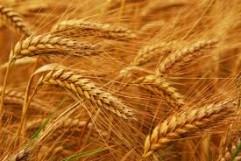
Grains contain Phytic Acid, a mineral blocker that prevents absorption of calcium, magnesium, iron, copper and zinc. This phytic acid is found in the bran of all grains as well as the outer coating of seeds and nuts.
Even after grains became more mainstream during the agricultural revolution, grains were allowed to sit in the fields for several weeks before thrashing. This allowed the grains to be exposed to the elements and to sprout. Evidence shows that sprouting increases the content of many important vitamins, and breaks down the phytic acid. Unfortunately, grains today are not sprouted and are consumed in much larger quantities than ever before. The presence of the phytates blocks the absorption of calcium, a risk factor for osteoporosis and other bone-related problems. Unfortunately, many doctors provide a low-fat, high-fiber diet and a calcium supplement for those with osteoporosis but the calcium isn’t being absorbed anyway because the phytates block its uptake.