


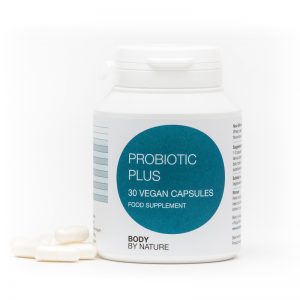
What Are Probiotics?
Probiotics can be best described as bacteria organisms that can be found in the wall lining of your digestive tract. Probiotics help the body absorb nutrients and fight infection. The digestive tract is home to a large number of bacteria. While many forms of bacteria are a health hazard to the body, these microorganisms actually help the body function properly.
Sources of probiotics
Probiotics can be found in:
- Yogurt
- Fermented cow milk
- Fermented vegetables
- Soy products
- Pickles
Probiotic supplements
Probiotic supplements can help boost your health. The different types and strains of probiotics affect the body differently. For example,
Lactobacillus species
These bacteria can be found in our digestive, urinary, and genital organs. These bacteria can also be found in fermented foods and dietary supplements. They are used to treat:
- Constipation – if you are suffering from constipation, you can take supplements that have lactobacillus probiotics for a month. Doing this will reduce symptoms of constipation such as stomach pain and discomfort and bloating.
- High cholesterol – these bacteria can be used to lower cholesterol levels in people who have high cholesterol levels. If you have cholesterol problems look for supplements that have Lactobacillus reuteri or Lactobacillus acidophilus.
Bifidobacteria
These live in our gut, specifically our small intestines. They can also be found as dietary supplements. It is mainly used to treat diarrhea, constipation and irritable bowel syndrome. Although unfounded, these bacteria have been attributed to preventing the flu. Be sure to check out our dietary supplements at Body by nature supplements for this and more.
Benefits of Probiotics
- The presence of probiotics in the digestive tract play a role in reducing constipation and other digestive related complications.
- Probiotics stimulate the production of anti-cancer cells depending on frequency, and amount one consumes.
- Feeding children probiotic supplements have been proven to help their immune system fight off viruses such as flu.
- Probiotics can be used to combat IBS which presents itself with the following symptoms and signs; diarrhea, constipation, and abdominal pain. When IBS patients were given probiotics supplements with the strain Bifidobacterium infantis, most of these symptoms seemed to go away.
- Allergies – Although studies to prove the role probiotics play in the fight against allergies is still in its preliminary stage; a medical research published the link between probiotics and eczema (an allergy common in infants).
- Probiotics act as complementary agents to antibiotics used in treating urinary tract infections
- Immunity – good bacteria is characterized by stimulating immune responses as one of its main functions. By ingesting probiotic-rich foods and maintaining a good balance of intestinal flora, a person can boost and maintain a healthy immune system.
Side effects
- Antibiotics are designed to destroy illness-causing bacteria but fail to make that distinction when it comes to probiotics. The drugs kill intestinal flora that helps us indigestion. Due to this, patients using antibiotics reported suffering from diarrhea and other forms of gastrointestinal distress. Medical practitioners advise people to stop taking probiotic supplements during their antibiotic medication period. They do advise one to continue after as these probiotics repopulate the digestive tract with these helpful bacteria.