


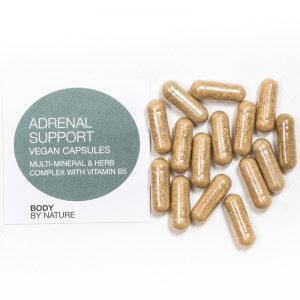
If you’ve ever felt constantly drained, foggy, and “wired but tired,” you’ve probably come across the term adrenal fatigue. It’s all over wellness blogs and social media, and it often comes with a long list of symptoms: low energy, poor sleep, cravings, anxiety, low mood, and feeling like you can’t cope with normal stress.
But here’s the tricky part: the phrase adrenal fatigue is controversial.
In this Body by Nature Supplements guide, we’ll look at what people usually mean when they say adrenal fatigue, what mainstream medicine recognises, and where adrenal fatigue supplements may (and may not) fit into a sensible plan.
Important note: This article is educational and not medical advice. If you have severe fatigue, dizziness, unexplained weight loss, fainting, very low blood pressure, or symptoms that are worsening, speak to a healthcare professional. Some conditions can look like “adrenal fatigue” but require medical testing and treatment.
What people mean by “adrenal fatigue”
When most people say adrenal fatigue, they’re usually describing a state of long-term stress and burnout where the body feels like it can’t “bounce back.” Common complaints include:
- Feeling tired no matter how much you sleep
- Needing caffeine to function
- Crashing in the afternoon
- Feeling anxious, overwhelmed, or emotionally flat
- Poor sleep (especially waking in the night)
- Sugar or salty cravings
- Brain fog and low motivation
The idea is that chronic stress “overworks” the adrenal glands (which produce hormones like cortisol and adrenaline), eventually leaving them unable to keep up.
Is adrenal fatigue real?
Most conventional medical organisations do not recognise “adrenal fatigue” as an official diagnosis. That doesn’t mean your symptoms aren’t real — it means the label may not be medically precise.
What is recognised is adrenal insufficiency (such as Addison’s disease), where the adrenal glands genuinely don’t produce enough hormones. This is a serious medical condition and needs proper diagnosis and treatment.
So where does that leave people who feel exhausted and stressed?
Often, the real drivers are things like:
- Chronic stress and poor recovery
- Sleep debt
- Blood sugar swings
- Under-eating or nutrient gaps
- Overtraining (too much exercise, not enough rest)
- Low iron, low B12, low vitamin D, thyroid issues (all testable)
- Anxiety or depression
In other words: the experience is real, but the cause is usually broader than just “tired adrenal glands.”
Can supplements help? Yes — but not as a magic fix
This is where adrenal fatigue supplements can be useful if you frame them correctly.
Supplements can’t replace sleep, reduce your workload, or undo months of stress. But they can support the systems stress impacts most:
- Nervous system regulation
- Energy metabolism
- Sleep quality
- Nutrient status
- Inflammation balance
- Gut health
Think of supplements as supporting your foundations, not “fixing your adrenals overnight.”
The most useful “adrenal support” nutrients (and why)
Below are the most common categories people look for when choosing adrenal fatigue supplements.
1) Magnesium (for the “wired but tired” feeling)
Magnesium supports nervous system function and relaxation. It’s often used when stress shows up as tension, poor sleep, or feeling unable to switch off.
If your “adrenal fatigue” symptoms include restlessness at night, magnesium is one of the most practical starting points.
2) Vitamin B12 and B-complex (for energy metabolism)
B vitamins help the body convert food into energy and support the nervous system.
If you’re tired with brain fog, low motivation, or you rely on caffeine, B vitamins are commonly included in adrenal fatigue supplements — especially if diet is inconsistent or you eat little/no animal products.
3) Vitamin D (for overall resilience)
Low vitamin D is common in the UK and can affect mood and general wellbeing. While it’s not a direct “stress supplement,” it’s a smart baseline nutrient for many people.
4) Omega-3 (for brain and inflammation balance)
Omega-3 supports healthy inflammation balance and brain function. When you’re under chronic stress, your body often feels more inflamed, achy, and less resilient.
Omega-3 won’t give an instant energy boost, but it can support long-term wellbeing — which is exactly what most people are trying to rebuild.
5) Probiotics (because stress hits the gut)
Stress and digestion are tightly linked. If your fatigue comes with bloating, irregularity, or a “sensitive” stomach, gut support can be part of the puzzle.
A quality probiotic may help support digestive comfort and overall balance — and it’s a common addition to broader adrenal fatigue supplements routines.
6) Iron (only if you need it)
Low iron can mimic “adrenal fatigue” symptoms almost perfectly: exhaustion, weakness, breathlessness, and poor exercise tolerance.
But iron should be guided by symptoms and ideally a blood test — too much can be harmful.
What to do before you buy “adrenal supplements”
If you’re feeling chronically exhausted, do these three things first:
- Rule out common deficiencies and issues (iron/ferritin, B12, vitamin D, thyroid markers — discuss with a clinician)
- Audit your lifestyle basics (sleep, caffeine timing, hydration, protein, movement)
- Pick one or two supplements and take them consistently for 3–6 weeks
The biggest mistake is taking five new products at once, then having no idea what’s helping (or causing side effects).
A simple, sensible supplement approach (example)
If you want a gentle starting point, many people begin with:
- Magnesium in the evening (relaxation + sleep support)
- Vitamin D daily (baseline wellbeing)
- Omega-3 daily (long-term resilience)
Then consider adding:
- B12/B-complex if energy and focus are low
- Probiotic if digestion and stress are linked
- Iron only if advised
This approach keeps adrenal fatigue supplements practical and evidence-informed — without turning your cupboard into a pharmacy.
Final thoughts
So, is adrenal fatigue real? The label is debated — but the symptoms people describe are absolutely real, and they deserve a thoughtful plan.
The best “adrenal support” isn’t a single pill. It’s a combination of recovery, routine, and targeted nutrients that help your body rebuild resilience.