


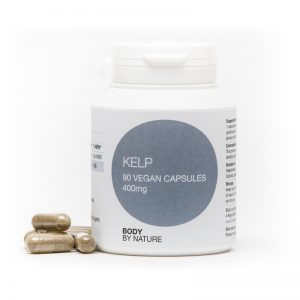
Kelp supplements have become a popular add-on in wellness routines especially for people who want a simple way to support nutrition, energy, and thyroid health. But kelp is also one of those supplements that gets talked about in a lot of different ways online, from detox claims to superfood hype.
So what are kelp benefits really about, and what are kelp supplements actually used for?
In this article, we ll break down what kelp is, why people take it, the role of iodine (the big reason kelp matters), and how to use kelp supplements safely.
What is kelp?
Kelp is a type of brown seaweed that grows in the ocean. It s naturally rich in minerals because it absorbs nutrients from seawater.
Kelp is eaten as a food in some cuisines, and it s also used in supplement form, typically as:
- kelp tablets/capsules
- kelp powder
- kelp extracts (less common)
When people talk about kelp benefits, they re usually talking about kelp as a natural source of iodine.
The main reason people take kelp: iodine support
Iodine is an essential mineral your body needs to make thyroid hormones. Those hormones help regulate:
- metabolism
- energy production
- body temperature
- mood and mental clarity
- hair and skin health (indirectly)
If iodine intake is too low, thyroid hormone production can be affected and that can show up as fatigue, sluggishness, feeling cold, or difficulty maintaining a healthy weight.
This is why kelp supplements are often used for thyroid support. In the kelp benefits conversation, iodine is the headline.
Who might be low in iodine?
Some people are more likely to have low iodine intake, including:
- people who don t use iodised salt
- people who avoid seafood and seaweed
- people who follow strict vegan diets without iodine sources
- people who eat mostly whole foods but don t include iodine-rich foods
That said, it s also possible to get too much iodine which is why kelp needs a sensible approach.
Kelp benefits beyond iodine (the supporting cast)
While iodine is the main draw, kelp also contains other nutrients that contribute to its sea mineral reputation.
Depending on the product and source, kelp may provide small amounts of:
- magnesium
- calcium
- potassium
- iron
- antioxidants and seaweed compounds
These aren t usually the primary reason to supplement, but they can add to kelp s appeal as a nutrient-dense plant.
Kelp benefits: what people use kelp supplements for
Let s get specific. Here are the most common real-world reasons people take kelp.
1) Supporting normal thyroid function
This is the most common use. If someone suspects they re not getting enough iodine, kelp can be an easy way to top up.
Important: if you have a thyroid condition (hypothyroidism, hyperthyroidism, Hashimoto s, Graves ), iodine supplementation should be discussed with a healthcare professional. With thyroid issues, more iodine isn t always better.
2) Supporting energy levels (indirectly)
Kelp isn t a stimulant. But because thyroid hormones influence metabolism and energy, improving iodine status (when it s low) can help some people feel less sluggish over time.
If you re looking for kelp benefits for energy, the key is whether iodine intake is actually part of your fatigue story.
3) Supporting overall mineral intake
Some people use kelp as part of a broader greens + minerals routine, especially if their diet is low in seafood, vegetables, or variety.
It s not a replacement for a balanced diet, but it can be a helpful addition.
4) Skin and hair support (indirectly)
You ll sometimes see kelp marketed for hair and skin. The more realistic angle is indirect support through thyroid health and overall nutrition.
If hair thinning or dry skin is linked to thyroid imbalance, iodine status can matter but it s not a quick fix and it s not the only nutrient involved.
Kelp myths to ignore
There s a lot of noise online. Here are a few common claims worth filtering.
Myth 1: Kelp detoxes your body
Your liver, kidneys, gut, lungs and skin do the detox work. Kelp can support nutrition, but it doesn t flush toxins overnight.
Myth 2: Kelp guarantees weight loss
Kelp isn t a fat burner. If iodine deficiency is affecting thyroid function, correcting it may support metabolism but weight is influenced by many factors.
Myth 3: More kelp = better thyroid
Too much iodine can irritate the thyroid in some people. Kelp supplements should be used thoughtfully.
How to take kelp supplements safely
Because kelp is a concentrated iodine source, safety comes down to dose and consistency.
Tips for a sensible approach
- Choose a product that clearly states the iodine amount per serving
- Avoid stacking multiple iodine-containing supplements (including some multivitamins)
- If you eat seaweed regularly, be extra cautious with additional kelp
- If you have thyroid symptoms, consider bloodwork and professional guidance
Who should be cautious?
Speak with a healthcare professional before taking kelp/iodine supplements if you:
- have a diagnosed thyroid condition
- are pregnant or breastfeeding (iodine needs change)
- take thyroid medication
- have a history of iodine sensitivity
What to expect (timeline)
If kelp is helping because iodine intake was low, changes are usually gradual.
A realistic timeline is:
- 2 4 weeks: subtle improvements in energy or temperature regulation for some people
- 6 12 weeks: more noticeable changes if iodine status was truly low
If you don t notice any difference, it may simply mean iodine wasn t the issue and that s okay.
Why Body by Nature Supplements is a good fit
Body by Nature Supplements focuses on practical, everyday wellness not extreme claims.
If you re interested in kelp benefits, the best results come from using kelp as it s actually intended: a sensible iodine and mineral support tool, used consistently and safely.
Final thoughts
Kelp supplements are most commonly used for one main reason: iodine support, which can help support normal thyroid hormone production when intake is low.
Beyond that, kelp can contribute to overall mineral intake and support a balanced wellness routine but it s not a miracle detox or weight-loss shortcut