


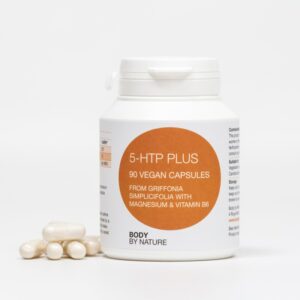
If you’ve been looking for a natural way to support mood, sleep, or cravings, you’ve probably come across 5-HTP. It’s a popular supplement ingredient—and for good reason. But before you add it to your routine, it’s smart to understand 5-HTP side effects, who should be cautious, and how to use it responsibly.
This guide breaks down what 5-HTP is, why people take it, the most common 5-HTP side effects, and practical tips to reduce your risk.
What is 5-HTP?
5-HTP stands for 5-hydroxytryptophan. It’s a compound your body makes from the amino acid tryptophan. 5-HTP is best known as a precursor to serotonin, a neurotransmitter involved in mood, sleep, appetite, and overall wellbeing.
Because serotonin plays such a wide role in the body, many people use 5-HTP supplements as part of a wellness plan for:
- Low mood or stress support
- Sleep and wind-down routines
- Appetite and cravings management
Even though it’s “natural,” it still has real effects in the body—which is why understanding 5-HTP side effects matters.
Common 5-HTP side effects
Most people tolerate 5-HTP well, especially at lower doses. However, like many supplements, it can cause side effects—particularly when you start taking it, increase the dose too quickly, or combine it with other products.
Here are the most commonly reported 5-HTP side effects:
1) Nausea and digestive upset
The most frequent 5-HTP side effects are gastrointestinal. You might notice:
- Nausea
- Stomach discomfort
- Heartburn
- Diarrhoea
This can happen because serotonin is involved in gut function, and increasing serotonin-related activity may affect digestion.
2) Drowsiness or vivid dreams
Because 5-HTP is often used for sleep support, some people feel:
- Sleepy during the day
- More intense or vivid dreams
- A “heavy” feeling if taken at the wrong time
If you’re sensitive, consider taking it in the evening and avoiding driving or intense tasks until you know how you respond.
3) Headaches
Some users report headaches, especially early on. This may be related to shifts in serotonin levels or changes in sleep patterns.
4) Restlessness or agitation
While many people take 5-HTP to feel calmer, the opposite can happen in some cases. Restlessness, jitteriness, or feeling “wired” can be a sign the dose is too high for you.
5) Appetite changes
Because serotonin is linked to appetite and satiety, some people notice reduced appetite. For some, that’s the goal; for others, it can feel uncomfortable or lead to low energy if meals are skipped.
Less common but more serious concerns
Most 5-HTP side effects are mild, but there are a few important safety points to know.
Serotonin syndrome risk (especially with medications)
A key reason to be cautious with 5-HTP is that it can influence serotonin levels. When combined with certain medications or supplements that also affect serotonin, there’s a rare but serious risk of serotonin syndrome.
Seek urgent medical advice if you experience symptoms such as:
- Confusion
- Rapid heartbeat
- High fever
- Sweating or shivering
- Muscle stiffness or twitching
- Severe agitation
This is especially relevant if you take antidepressants or other serotonin-affecting medications.
Interactions with antidepressants and other supplements
If you’re taking any of the following, speak to a healthcare professional before using 5-HTP:
- SSRIs or SNRIs
- MAOIs
- Triptans (often used for migraines)
- Certain pain medications
- Other mood supplements that influence serotonin
When it comes to supplements, “stacking” isn’t always better. The goal is a balanced routine, not pushing one pathway too hard.
Who should avoid 5-HTP (or get medical advice first)
Because everyone’s health situation is different, it’s worth being extra cautious if you are:
- Pregnant or breastfeeding
- Taking prescription medication for mood, sleep, or migraines
- Managing a long-term health condition
- Under 18
If you’re unsure, a quick conversation with your pharmacist or GP can help you make a confident decision.
How to reduce the risk of 5-HTP side effects
If you decide 5-HTP is a good fit for your routine, these simple steps can help minimise 5-HTP side effects.
Start low and go slow
Many side effects come from starting too high. Begin with the lowest effective dose and give your body time to adjust.
Take it with food (if your stomach is sensitive)
If you experience nausea, taking 5-HTP with a small meal can help. Some people prefer taking it on an empty stomach for absorption, but comfort and consistency matter more than perfection.
Choose the right time of day
- For sleep support: consider evening use
- For mood support: some prefer earlier in the day
If it makes you drowsy, avoid taking it before work, driving, or workouts.
Don’t mix with serotonin-affecting products
If you’re already using products that target mood and sleep, keep your routine simple. If you want to combine supplements, do it intentionally and one change at a time.
Track how you feel
A quick note in your phone can help you spot patterns—sleep quality, mood, digestion, and energy. If side effects appear, you’ll know whether timing or dosage changes help.
The bottom line
5-HTP can be a helpful addition to a wellbeing routine, but it’s not something to take casually. Understanding 5-HTP side effects—from mild nausea and drowsiness to potential medication interactions—helps you make a safer, more informed choice.
If you’re considering 5-HTP and you’re on any medication (especially antidepressants), check in with a healthcare professional first. And if you do try it, start low, be consistent, and listen to your body.