

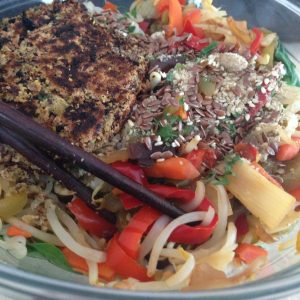
A vegan diet simply means a diet without meat, fish or any animal products including eggs, milk, honey and beeswax. However, there are different types of vegans, some consume dairy products and eggs while the strictest vegans do not.
Eating meat is not the only way to acquire all the nutrients required for good health. An individual who chooses to forego meat may enjoy better health due to their plant-based foods. Also, diet choices made by vegans are always aimed at better health rather than satisfying their cravings.
Vegan diets have been found to lower the levels of risk of diabetes, heart disease, hypertension, type 2 obesity and some types of cancer leading to a longer life expectancy. In this article, we will focus on a strict vegan diet.
The Vegan Diet
For a healthy and nutrient-rich diet, a vegan diet should have at least 5 portions of fruits and vegetables daily. A base meal of potatoes, rice or bread and any other starchy carbohydrates with wholegrain are recommended. Yoghurts and soya drinks are great dairy alternatives, however, those with lower fat and sugar levels are recommended.
To cater for proteins some pulses and beans are important and any other protein-rich foods. Opt for unsaturated spreads and oils keeping in mind you should also have them in small amounts. 6 to 8 glasses of water will keep you well hydrated and keep your skin glowing and healthy. If you decide to include foods with high fat, sugar or salt levels you should always remember to have them less often and in minimal amounts.
Sources of Vitamin D and Calcium
Calcium is important for healthy teeth and bones. Most non-vegans get it from dairy products like cheese, milk and yoghurt. For a vegan diet, leafy vegetables such as okra, broccoli, and cabbage are great sources of calcium, however, spinach is not in this category. Unsweetened and fortified soy, oat drinks and rice are also great dairy alternatives. Sesame seeds, dried fruits such as raisins, figs and dried apricots are also recommended calcium sources.
Vitamin D is important for the body as it enables it to regulate the amount of calcium and phosphate. These are the key nutrients that help to keep teeth, bones and muscles healthy. Good sources for vegans are exposure to sunlight, vitamin D supplements and fortified spreads. Soya drinks with added vitamin D will go particularly well with your breakfast cereal.
Sources of vitamin B12
Vitamin B12 is important to the body for maintaining healthy blood and a healthy nervous system. It is naturally found in animal products leaving vegans limited to vitamin B12 supplements and cereals, soya drinks fortified with vitamin B12.
Sources of Omega-3 Fatty Acids and Iron
The omega-3 fatty acids aid in upholding a healthy heart reducing the risk of heart disease. Suitable sources include flaxseed, walnuts, soy oil and other soy-based foods.
Iron, on the other hand, is key for the production of red blood cells. Great sources include cereals fortified with iron, nuts, wholemeal bread and dried fruits.
For expectant mothers who are on a vegan diet should ensure they get enough minerals and vitamins for the healthy development of their child.