


If you’re lying awake at night, waking up at 3am, or dragging yourself through the day on too little rest, you’re not alone. Sleep issues are incredibly common — and frustrating, because poor sleep affects everything: mood, cravings, focus, training recovery, immune resilience, and even how patient you feel with the people you live and work with.
Prescription sleep aids can be helpful in some situations, but many people want to start with a gentler approach first — something that supports the body’s natural sleep rhythm rather than knocking you out.
In this Body by Nature Supplements guide, we’ll break down the most effective natural supplements for sleep, who they may suit, and how to build a simple evening routine that actually helps.
Important note: This article is educational and not medical advice. If your sleep issues are severe, long-lasting, or linked with anxiety, depression, sleep apnoea, or medication, speak to a healthcare professional.
First: what’s really keeping you awake?
Before you buy anything, it helps to know what type of sleep problem you have:
- Trouble falling asleep (mind racing, can’t switch off)
- Trouble staying asleep (waking in the night, light sleep)
- Waking too early (and not being able to get back to sleep)
- Poor sleep quality (you sleep “enough” but don’t feel restored)
Different natural supplements for sleep can support different parts of the sleep cycle — so matching the supplement to the problem matters.
1) Magnesium: the foundation for relaxation
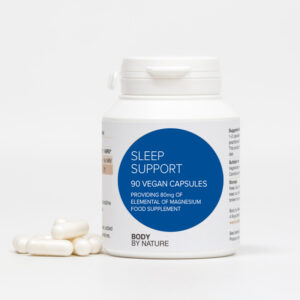
Magnesium is one of the most popular natural supplements for sleep because it supports the nervous system and helps the body move into a calmer state.
People often choose magnesium if they:
- Feel “tired but wired” at night
- Carry tension in their body
- Train regularly and struggle with recovery
Magnesium isn’t a sedative — it’s more like a supportive signal to your body that it’s safe to downshift.
How to use it: Many people take magnesium in the evening, ideally after dinner or 30–60 minutes before bed.
2) Vitamin D: the overlooked sleep-and-mood nutrient
Vitamin D is usually discussed for immunity and bone health, but low vitamin D can also affect mood and overall wellbeing — and when you don’t feel well, sleep often suffers.
In the UK, vitamin D deficiency is common, especially in autumn and winter.
While vitamin D isn’t a “sleep supplement” in the traditional sense, it’s often part of a smart baseline approach to natural supplements for sleep because it supports the foundations your body needs to regulate itself.
Tip: Vitamin D is typically taken earlier in the day with food.
3) Omega-3: supporting the brain’s ability to unwind
Omega-3 fatty acids support healthy inflammation balance and brain function. If stress, mental load, or low mood is part of your sleep struggle, omega-3 can be a helpful long-term support.
Omega-3 won’t usually create an immediate “sleepy” feeling, but it can support the bigger picture — and better overall wellbeing often leads to better sleep quality.
That’s why omega-3 is frequently included in broader routines of natural supplements for sleep.
4) B vitamins (and B12): energy regulation matters for sleep
This sounds counterintuitive, but stable energy metabolism can support better sleep. If you’re running on stress hormones and caffeine, your sleep can become lighter and more disrupted.
B vitamins support energy metabolism and nervous system function. They’re not usually taken at night, but if your tiredness is linked to low nutrient status, addressing that can help your body find a healthier rhythm.
If you’re exploring natural supplements for sleep, consider whether your sleep issue is actually a recovery issue — and whether your daytime energy is forcing you into late caffeine or sugar.
5) Probiotics: because gut health and sleep are connected
Your gut and nervous system communicate constantly (often called the gut–brain connection). When digestion is off — bloating, discomfort, irregularity — sleep can suffer.
A daily probiotic may be worth considering if:
- You feel uncomfortable in the evenings
- Stress affects your digestion
- You’ve recently taken antibiotics
- You notice sleep worsens when your gut is “off”
Probiotics are not an overnight fix, but they can be a valuable part of a long-term plan for natural supplements for sleep.
6) Herbal options: gentle support for switching off
Many people associate “natural sleep support” with herbs. Depending on the product, herbal blends may include ingredients traditionally used for relaxation.
If Body by Nature has a specific sleep blend or calming herbal product, this is where it would fit beautifully in the article — especially for people who struggle to fall asleep due to mental chatter.
(If you tell me which herbal products you carry, I can tailor this section precisely and keep it compliant.)
How to build a simple supplement routine for sleep
The biggest mistake people make is taking five new things at once and not knowing what helped.
A simple approach:
- Start with one foundation (often magnesium)
- Support the basics (vitamin D and omega-3 are common)
- Add one targeted product based on your sleep issue (gut support, herbal calming support, etc.)
- Track your sleep for 2–4 weeks (time to fall asleep, night waking, morning energy)
A realistic starter routine could look like:
- Morning: Vitamin D (with food)
- Anytime with meals: Omega-3
- Evening: Magnesium
Then add a probiotic if digestion is part of the issue, or a calming herbal option if your mind won’t switch off.
Don’t skip the “non-supplement” sleep wins
Even the best natural supplements for sleep work better when your habits support them. The highest-impact basics are:
- Get outside in daylight early in the day
- Keep caffeine earlier (ideally before midday)
- Eat dinner earlier if reflux or bloating affects you
- Keep your bedroom cool and dark
- Reduce screens and intense content in the hour before bed
- Create a short wind-down ritual (shower, stretching, reading)
Final thoughts
Better sleep doesn’t always require a prescription — often it starts with supporting your nervous system, nutrient foundations, and recovery.
The best natural supplements for sleep are the ones that match your specific sleep struggle and that you can take consistently.