


If you’ve noticed more hair in your brush, slower growth, or hair that feels thinner than it used to, it’s natural to start looking at nutrition. Hair is one of those things that reflects what’s happening inside the body — stress, sleep, hormones, and nutrient status can all show up on your scalp.
One nutrient that often comes up in this conversation is selenium. But what’s the real link between selenium for hair and hair growth? Can selenium actually help, and how do you use it safely?
Let’s break it down in a practical, no-hype way.
What is selenium?
Selenium is a trace mineral, meaning your body needs it in small amounts — but those small amounts matter.
Selenium supports several key functions that can indirectly affect hair health, including:
- normal thyroid function
- antioxidant protection (helping manage oxidative stress)
- normal immune function
Because hair growth is influenced by thyroid hormones, inflammation balance, and overall nutrient status, selenium can be relevant — but it’s rarely the only factor.
How hair growth works (quick overview)
Hair grows in cycles:
- Anagen (growth phase): hair actively grows
- Catagen (transition phase): growth slows
- Telogen (resting/shedding phase): hair sheds and the follicle resets
When the body is under strain (stress, illness, nutrient deficiency, hormonal shifts), more hairs can shift into the shedding phase at once. That’s why hair changes often happen a few months after a stressful period.
So when people search selenium for hair, they’re usually looking for support that helps keep hair in a healthier growth cycle.
Selenium and hair: what’s the connection?
1) Selenium supports thyroid function — and thyroid affects hair
Your thyroid helps regulate metabolism and plays a role in hair follicle activity. When thyroid function is off, hair can become:
- dry or brittle
- thinner
- more prone to shedding
Selenium is involved in enzymes that help activate thyroid hormones and protect the thyroid from oxidative stress. This is one of the most direct reasons selenium is discussed in relation to hair.
Important note: selenium isn’t a thyroid medication. But if your selenium intake is low, improving it may support normal thyroid function — which can support hair health.
2) Antioxidant support for the scalp environment
Hair follicles are active, fast-growing tissues. That means they can be sensitive to oxidative stress.
Selenium is part of antioxidant systems in the body (including glutathione-related pathways). In simple terms, it helps your body manage the “wear and tear” that can affect cells over time.
This doesn’t mean selenium will “force” hair to grow faster — but it can support the conditions that healthy hair growth depends on.
3) Selenium deficiency can be linked to hair changes
Severe selenium deficiency is uncommon in many diets, but low intake can happen — especially if your diet is limited or you avoid selenium-rich foods.
When selenium is truly low, symptoms can include changes in hair and nails. In those cases, correcting the deficiency can help.
This is the key point: selenium for hair tends to be most helpful when selenium status is actually part of the problem.
Can selenium help with hair growth?
Selenium may support hair growth indirectly by supporting thyroid function and antioxidant protection — but it’s not a standalone “hair growth supplement” in the way people sometimes expect.
You’re more likely to benefit from selenium if:
- your diet is low in selenium
- you have thyroid-related concerns (with professional guidance)
- you’re addressing hair health as part of a broader nutrition plan
You’re less likely to see a difference if:
- your selenium intake is already adequate
- hair loss is driven by hormones, genetics, medication side effects, or stress alone
What else should you check if you’re worried about hair?
If you’re exploring selenium for hair, it’s worth looking at the bigger nutrient picture too. Hair concerns are commonly linked with:
- iron/ferritin (low iron stores are a big one)
- vitamin D
- zinc
- protein intake
- B12/folate
And non-nutrition factors matter as well:
- postpartum changes
- perimenopause/menopause
- thyroid imbalance
- chronic stress
- tight hairstyles or harsh treatments
If hair shedding is sudden, severe, or patchy, it’s a good idea to speak with a healthcare professional and consider bloodwork.
Selenium-rich foods (food-first approach)
A smart way to support selenium is through diet.
Selenium-rich foods include:
- Brazil nuts (very high — portion matters)
- eggs
- fish and seafood
- poultry
- meat
- whole grains (varies by soil content)
If you’re already eating a varied diet with these foods, you may not need extra selenium.
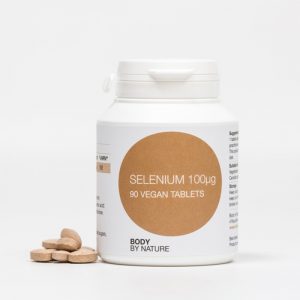
Selenium supplements: how to use them safely
This is where you want to be careful.
Selenium is a nutrient where “more” is not better. Too much selenium can cause side effects, and in extreme cases can contribute to hair loss — the opposite of what you want.
If you’re considering a selenium supplement:
- stick to sensible doses
- avoid stacking multiple supplements that all contain selenium
- be cautious with frequent Brazil nuts plus a selenium supplement
- consider checking your overall intake with a professional
If you notice symptoms like nausea, a metallic taste, or unusual hair shedding after starting selenium, stop and get advice.
What to expect (timeline)
Hair changes are slow. Even if selenium is helping, you’re unlikely to see overnight results.
A realistic timeline is:
- 4–8 weeks: early improvements in hair feel/strength for some people
- 8–12+ weeks: changes in shedding and new growth are more noticeable
Consistency matters — and so does addressing the root cause.
Why Body by Nature Supplements fits a sensible hair-support routine
Body by Nature Supplements is built around practical wellness: supporting your body with what it needs, without extreme claims.
If you’re looking into selenium for hair, the best approach is balanced: check the basics (iron, vitamin D, protein), support thyroid health where relevant, and use selenium thoughtfully — not aggressively.
Final thoughts
So, can selenium support hair growth? Potentially — especially if selenium intake is low or thyroid support is part of your bigger picture.
But selenium isn’t a quick fix. Think of selenium for hair as one supportive tool within a wider plan: good nutrition, stress management, and addressing any underlying deficiencies.