


Constipation is one of those issues people don’t always talk about — but it can affect your energy, mood, appetite, and confidence. Whether you’re dealing with infrequent bowel movements, hard stools, bloating, or that uncomfortable “not fully finished” feeling, you’ve probably tried the basics: more water, more fibre, more movement.
And if you’ve searched for natural support, you’ve likely come across probiotics for constipation.
But do they actually work? And if they do, which strains matter most? Let’s break it down in a practical, no-fluff way so you can make an informed choice.
What are probiotics (and why would they affect constipation)?
Probiotics are live microorganisms — often called “good bacteria” — that can support the balance of your gut microbiome. Your gut isn’t just a food tube; it’s an ecosystem. The types of bacteria living there can influence digestion, gas production, inflammation balance, and even how quickly food moves through your digestive tract.
That’s why probiotics for constipation are often discussed: certain probiotic strains may help support:
- stool frequency (how often you go)
- stool consistency (how easy it is to pass)
- bloating and discomfort
- overall digestive regularity
Important: probiotics aren’t laxatives. They don’t “force” a bowel movement. Instead, they may help improve the conditions in your gut so your body can do what it’s meant to do — more comfortably.
Do probiotics for constipation work?
For some people, yes — especially when constipation is linked to gut imbalance, diet changes, stress, travel, or a history of antibiotics.
However, results vary because constipation has different causes, such as:
- low fibre intake
- dehydration
- sedentary lifestyle
- stress and disrupted routines
- hormonal changes
- medications (e.g., iron supplements, certain painkillers)
- underlying conditions (e.g., IBS-C)
Probiotics can be helpful, but they’re not a one-size-fits-all fix. The biggest reason people feel disappointed is they choose a random probiotic without looking at the strains — or they don’t take it consistently long enough.
Which strains matter most for constipation?
Here’s the key point: strain matters. “Probiotic” is like saying “tea” — it’s a category, not a specific thing.
When looking into probiotics for constipation, the strains most commonly studied for bowel regularity tend to come from the Bifidobacterium and Lactobacillus families.
Bifidobacterium strains (often linked to regularity)
Bifidobacteria are naturally found in the gut and are frequently associated with stool frequency and consistency.
Commonly discussed strains include:
- Bifidobacterium lactis (often written as B. lactis)
- Bifidobacterium longum (B. longum)
- Bifidobacterium breve (B. breve)
These strains are often included in “daily digestive” probiotic blends and may be a good starting point if your main goal is regularity.
Lactobacillus strains (supportive for digestion and comfort)
Lactobacilli are also common in probiotic supplements and may support digestion, bloating, and overall gut comfort.
Common strains include:
- Lactobacillus acidophilus (L. acidophilus)
- Lactobacillus rhamnosus (L. rhamnosus)
- Lactobacillus plantarum (L. plantarum)
In constipation support, these strains are often used alongside Bifidobacteria to create a more complete formula.
What about “the best strain”?
There isn’t one single best strain for everyone. The best probiotic is the one that matches your symptoms, is taken consistently, and is paired with the basics (hydration, fibre, movement).
If you’re not sure where to start, a multi-strain probiotic that includes both Bifidobacteria and Lactobacilli is often a sensible option.
How long do probiotics take to work for constipation?
This is another area where expectations matter.
Most people need at least 2–4 weeks of consistent use to judge whether a probiotic is helping. Some people notice changes sooner; others need 6–8 weeks.
A realistic approach:
- Take your probiotic daily.
- Keep everything else steady (don’t change five things at once).
- Track stool frequency and comfort weekly.
If you notice more bloating in the first few days, that can happen as your gut adjusts. It usually settles — but if it’s severe or persistent, stop and reassess.
Probiotics for constipation: what else helps them work better?
Probiotics tend to work best when you support the environment they live in.
1) Hydration
If you’re dehydrated, stools become harder and more difficult to pass. Aim for steady water intake throughout the day.
2) Fibre (but not too much too fast)
Fibre helps add bulk and supports regularity, but suddenly doubling fibre can worsen bloating. Increase gradually.
3) Prebiotics
Prebiotics are fibres that feed beneficial bacteria. Foods like onions, garlic, leeks, oats, bananas, and legumes can help — if you tolerate them.
4) Movement
Even a daily walk can support gut motility.
5) Routine
Your gut loves rhythm. Try to eat and sleep at consistent times, and don’t ignore the urge to go.
Who should be cautious?
If constipation is new, severe, or paired with red flags (blood in stool, unexplained weight loss, persistent pain), speak to a healthcare professional.
Also, if you have a medical condition affecting immunity, are pregnant, or are taking medications, it’s worth checking with your clinician before starting supplements.
Why Body by Nature Supplements is a great place to start
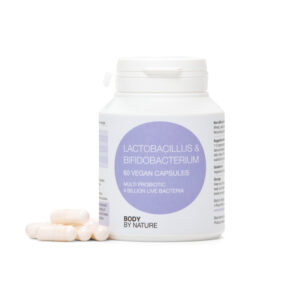
Body by Nature Supplements focuses on simple, supportive wellness routines. If you’re exploring probiotics for constipation, choosing a high-quality, well-formulated probiotic can help you build consistency — and consistency is what drives results.
Pair your probiotic with hydration, gradual fibre increases, and daily movement, and you’ll give your gut the best chance to settle into a healthier rhythm.
Final thoughts
Probiotics for constipation can work — but the key is choosing the right strains, taking them consistently, and supporting your gut with the basics. Look for formulas featuring Bifidobacterium and Lactobacillus strains, give it a few weeks, and track how you feel.