


If your eyes often feel gritty, tired, or like there’s “sand” under your eyelids, you’re not alone. Dry eyes are incredibly common — especially if you spend long hours on screens, wear contact lenses, work in air-conditioned environments, or simply notice changes as you get older.
Because dry eye symptoms can be stubborn, many people look beyond eye drops and start searching for nutritional support. One of the most popular options is omega 3 for dry eyes — usually in the form of fish oil.
So, can fish oil actually help? Let’s break down what omega-3s are, why they’re linked to eye comfort, what results you can realistically expect, and how to choose a supplement that fits your routine.
What causes dry eyes?
Dry eye happens when your eyes don’t produce enough tears, or when the tears you do produce evaporate too quickly. Healthy tears aren’t just “water” — they’re a balanced mix of:
- Water (hydration)
- Oil (lipids) (helps prevent evaporation)
- Mucus (helps tears spread evenly across the eye)
A common contributor to dry eye is an issue with the oil layer. The oil is produced by tiny glands along your eyelids (meibomian glands). If this oil layer is weak, tears evaporate faster, leading to that dry, irritated feeling.
Other common triggers include:
- prolonged screen time (less blinking)
- contact lenses
- wind, heating, air conditioning
- certain medications
- hormonal changes
- dehydration and low dietary fat intake
This is where omega-3s come into the conversation.
What are omega-3s (and why do they matter for eyes)?
Omega-3 fatty acids are essential fats — your body can’t make enough on its own, so you need them from food or supplements.
The main omega-3s you’ll hear about are:
- EPA (eicosapentaenoic acid)
- DHA (docosahexaenoic acid)
These are found primarily in oily fish and fish oil.
When people talk about omega 3 for dry eyes, it’s usually because omega-3s are involved in supporting healthy inflammation balance and the function of oil-producing glands. In simple terms: omega-3s may help support the quality of the tear film, especially the oil layer that slows evaporation.
Omega 3 for dry eyes: can fish oil help?
Dry eye is complex, and there isn’t one universal fix. But omega-3s are widely used as part of a broader approach to eye comfort.
Fish oil may support dry eyes by:
- supporting normal inflammatory response in the body
- supporting the function of the meibomian glands (the oil glands in the eyelids)
- helping improve the stability of the tear film over time
Some people report that their eyes feel less scratchy and less sensitive after consistent omega-3 use — especially if their diet is low in oily fish.
That said, results vary. Dry eye can be driven by many factors (environment, hormones, medications, underlying eye conditions), so omega-3s are best thought of as supportive, not a guaranteed cure.
How long does omega-3 take to work for dry eyes?
Omega-3s aren’t a “take it once and feel it” supplement. They work gradually as your body incorporates these fats into cell membranes.
A realistic timeline for omega 3 for dry eyes is:
- 4–8 weeks: some people notice early improvements in comfort
- 8–12 weeks: a more realistic window for noticeable changes (if you’re going to see them)
Consistency is key — daily use matters more than perfect timing.
Food sources vs supplements
If you eat oily fish regularly, you may already be supporting your omega-3 intake. Great food sources include:
- salmon
- sardines
- mackerel
- anchovies
- herring
But many people don’t eat fish often (or at all), and that’s when a supplement can be a practical option.
For anyone specifically targeting omega 3 for dry eyes, fish oil supplements are popular because they deliver EPA and DHA in a consistent daily dose.
How to choose an omega-3 supplement for dry eyes
Not all fish oils are the same. If you’re choosing omega 3 for dry eyes, look for:
- Clear EPA and DHA amounts on the label (not just “fish oil 1000mg”)
- A meaningful combined dose of EPA + DHA per serving
- Freshness and quality (omega-3s can oxidise, which affects taste and quality)
- A format you’ll stick with (softgels are easiest for most people)
If you’re sensitive to fishy aftertaste, taking omega-3 with a meal can help.
Extra habits that make omega-3 work better
Omega-3s can be part of a bigger “dry eye support” plan. For best results, pair your supplement routine with:
- 20-20-20 rule for screens (every 20 minutes, look 20 feet away for 20 seconds)
- intentional blinking when working
- hydration (dry eyes often feel worse when you’re dehydrated)
- a humidifier in dry indoor environments
- warm compresses to support eyelid oil glands
And if symptoms are persistent, painful, or affecting vision, it’s worth speaking to an optometrist — dry eye can sometimes need targeted treatment.
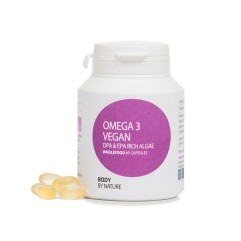
Why Body by Nature Supplements Omega 3 is a smart daily option
Body by Nature Supplements’ Omega 3 is designed to make omega-3 support simple and consistent — which is exactly what you want if your goal is omega 3 for dry eyes.
A high-quality omega-3 routine can support overall wellness too, including brain, heart, and joint health — so you’re not just taking it for your eyes.
Final thoughts
Dry eyes can be frustrating, especially when you’re doing “all the right things” and still feel irritated by the end of the day. While fish oil isn’t an instant fix, consistent use of omega 3 for dry eyes may support tear film stability and eye comfort over time, particularly if your diet is low in oily fish.